Across an existing site, SEO content services combine content and SEO planning, writing and ongoing optimisation to earn organic visibility for the searches your customers actually type, including the ones you have not thought to target yet.
That distinction matters. Google reports that 15% of daily searches are entirely new.
Content written once and left alone falls further behind that moving target every month. The harder question for most marketing directors is whether the service in front of them can show which pages are earning clicks and contributing to sales, not just which ones got published.
CMAX treats SEO content services as an ongoing coverage and performance problem, not a production run. Our content marketing services expand relevant coverage across your existing site while keeping reporting tied to search visibility and revenue outcomes.
SEO content services help your business earn more relevant organic visibility
Good SEO content services cover the full workflow: intent research, content briefs, writing, on-page optimisation, publishing support and scheduled refresh cycles. Reliable SEO article writing services do not stop at publication.
They stay connected to evolving demand, because coverage built at one point in time ages out as the 15% of new daily searches keeps compounding.
Plan, create, optimise, refresh
Effective SEO content writing should be planned against specific query themes, placed on the right page type, connected to related pages, and reviewed again when performance flattens or search behaviour shifts. Website content writing services that stop at “published” are billing you for a car and leaving out the fuel.
Build long-tail search coverage
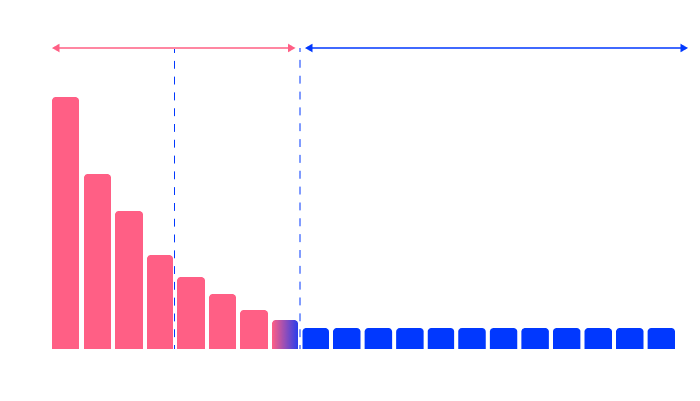
Most commercial growth comes from specific, lower-volume searches that carry clearer buying intent than broad head terms. Think of the long tail the way a good menu works: the house special gets noticed, but the kitchen actually turns over on the full menu.
CMAX applies SEO friendly content writing to product use cases, comparisons and detailed customer questions. With 15% of daily searches being new, the relevant query set keeps expanding, particularly for businesses with many products or customer questions.
CMAX is built to scale coverage without losing brand control
CMAX is the Agentic SEO Platform, delivering website content writing services that expand useful coverage across search and AI while keeping language aligned to your approved brand inputs. As a content SEO agency, we are built around breadth, freshness and connected page context, so the work keeps contributing after launch instead of fading as search demand moves on.
Target the long tail at scale
The same product can be searched by problem, use case, comparison, feature, audience and buying-stage language. Over 90% of search and AI demand is in the long tail.
CMAX targets the 90% of search demand in the long tail by deploying approved material across thousands of relevant searches on new and existing pages. Manual teams rarely keep pace with that volume consistently.
Keep output on-brand
CMAX is trained on human-reviewed, client-approved content. That keeps SEO content marketing aligned with your product names, claims, disclaimers and tone of voice across every page update, which matters most for multi-stakeholder teams where approval paths need to stay consistent.
Keep improving after launch
Unlike one-off copy production, CMAX uses performance data to refresh material after publication and strengthen coverage over time. Our Smart Optimisation makes content freshness SEO an ongoing process rather than a task you revisit when traffic drops.
Google confirms that AI features in Search continue to surface links from indexed pages and send users to supporting websites, so keeping pages current, useful and well-connected still carries weight long after first publication.
The right service should show measurable progress, not just more pages
A credible SEO content service reports on indexed coverage, first clicks, assisted conversions, internal linking improvements and refresh outcomes. Page count tells you how busy the team was.
Revenue contribution tells you whether the work was worth it.
Progress builds over time because crawl frequency, internal context and performance feedback all influence when content starts pulling its weight.
Measure clicks, not publication volume
A useful reporting model separates output metrics from outcome metrics. Effective SEO blog writing is accountable to impressions, clicks and assisted revenue, with first clicks typically appearing within 6 to 8 weeks.
Showing whether new SEO content is earning impressions, clicks and assisted revenue is a basic service requirement.
Improve linking and content health
Ongoing improvements to internal linking, crawl frequency and content health are core components of SEO content services. Google states that to appear as a supporting link in AI Overviews or AI Mode, a page must be indexed and eligible to appear in Google Search.
Crawlability and site context are operational concerns, not technical footnotes.
Frequently Asked Questions
Do SEO content services create product pages or just blog posts?
Commercial SEO content creation can support product, category, service, location, comparison and help content, because buyers search in more than one format before they convert.
The commercial question is whether the service adds useful search coverage on the pages that influence revenue, including existing pages that need stronger copy, deeper relevance or better internal linking. Search results can vary by location, so “content writing Melbourne” and “content writing Sydney” may surface different results for the same query.
How much time will SEO content services need from my team?
Most teams are needed most at the start, to share brand assets, approve priorities, confirm claims and set compliance boundaries, then less often once workflows are established. A page targeting “SEO copywriter Australia” would use Australian spelling conventions as standard, and SEO and content marketing work follows that local style throughout.
Ongoing time usually depends on how quickly your team can review drafts, validate subject-matter details and feed back on performance priorities.
Who owns the content created by an SEO content service?
Content ownership is set by the service agreement, so confirm it before work starts.
Check who owns the final copy, briefs, optimisation logic and performance data, and whether you can keep using the content if the engagement ends. Clear ownership of final copy, briefs and performance data provides a sound contractual foundation for any SEO content services arrangement.
SEO content services start with coverage
A scalable content SEO strategy expands coverage across the searches buyers actually use, then keeps that coverage fresh as demand shifts.
CMAX is built for Full Body SEO: content learning, updating and staying connected across your site through Automated Content Generation and Dynamic Internal Linking, so organic visibility can grow on the searches you do not cover today.
The simplest way to see where your existing SEO content marketing is falling short is to look at the gaps before you commit to a direction.
If you’re curious as to how you’re performing on AI, book in a Missing Customer Map review with our Growth Team.
Author
Jeremy Tang
Founder and CEO of CMAX
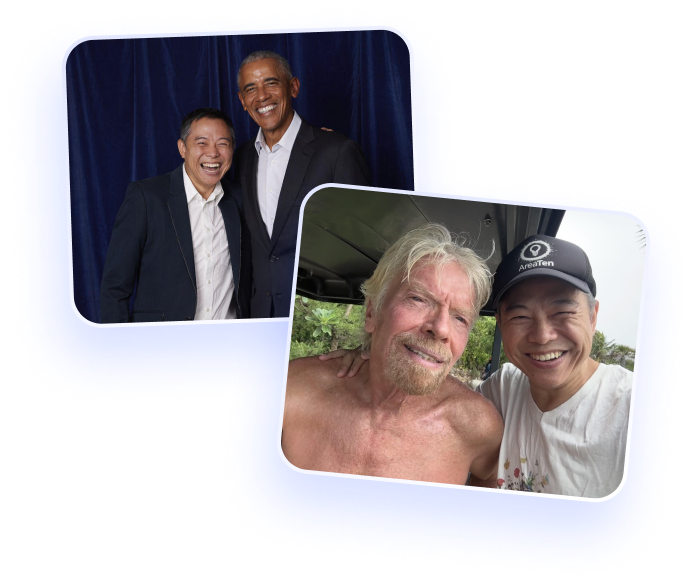
Jeremy Tang is the Founder and CEO of CMAX. With over 2 decades of experience in business consulting and digital marketing, he has successfully driven seven startup businesses, six of which achieved $1 million in revenue from zero in less than 16 months, 5 of which grew to multi-million dollar a year ventures without any external funding. Jeremy's expertise lies in streamlining business processes through technology and leveraging digital (in particular SEO) for business growth. He resides in Australia, travels extensively, and draws inspiration from his global experiences.