An international SEO company earns its fee by making your country pages feel local, not translated. Global SEO makes a country page feel local through market-specific terminology, pricing context and formats.
A direct translation pass does not do that job.
Google is clear: hreflang connects localised versions of the same page, but only if those pages actually reflect how each market searches, buys, and compares. What is international SEO, at its core?
Connecting genuinely localised page versions through correctly implemented hreflang, backed by content that matches how each country’s buyers think and speak.
A brand headquartered in Sydney might compare SEO services Canberra for domestic support while its US and UK pages still need the product names, pricing context and formats buyers in those markets expect.
Hreflang tags alone will not fix that gap. Neither will a translation pass.
CMAX approaches localisation as an ongoing content job, built on approved brand content and extended with long-tail pages for each market’s specific search demand.
An international SEO company helps brands localise content for each market.
Localise intent, terms, and page format
For expanding brands, an international SEO company localises product terminology, currencies, FAQs and conversion paths through country-level research. Effective global SEO makes country pages feel local through market-specific terminology, pricing context and formats.
The international SEO strategy starts there, not with a language toggle.
Long-tail coverage for country pages
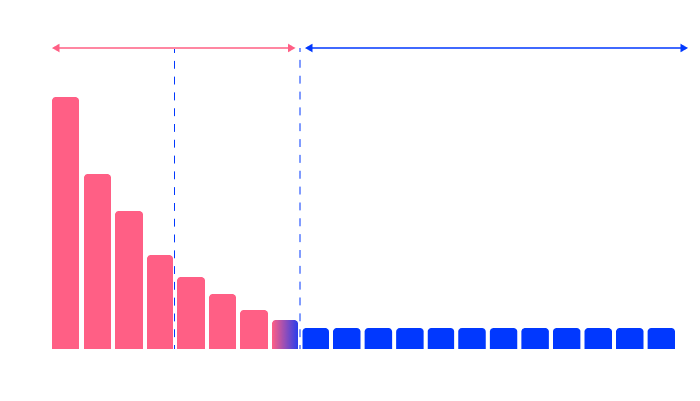
Over 90% of search and AI demand is in the long tail. That includes local combinations such as SEO agency Canberra in Australia or “SEO agency Manchester” in the UK. Country pages typically need supporting content for the many product, use-case and qualifier combinations each market produces.
A solid international SEO strategy covers the specific product, use-case and compliance questions within the long tail. CMAX supports multilingual SEO by extending approved brand content into local product names, seasonal questions and niche buying scenarios.
Hreflang and site structure keep multi-market pages clear for search engines and users.
Hreflang and clear regional architecture
One technical detail matters enough to picture clearly. Think of hreflang tags like the return address on an envelope: each tag tells Google exactly which version of a page belongs to which market.
If the return address is missing or wrong, the letter still gets delivered, just not to the right household. In SEO, hreflang tags and robots directives can silently cancel each other.
If a robots.txt file tells Google’s crawler not to visit a page, Google never fetches it and never reads the hreflang tag on that page. A misconfigured robots directive means your localisation work goes unseen by the search engine you built it for.
Google states that hreflang helps it identify localised versions of a page. A global SEO strategy needs self-referencing hreflang and return links, because Google may ignore annotations when reciprocal references are missing.
Hreflang works in HTML, HTTP headers, and XML sitemaps, but Google confirms there is no ranking benefit from using all three simultaneously. Consistent country folders, language sections, and fully qualified alternate URLs make it easier to launch new markets without broken references or duplicate intent creeping in as the site scales.
A clear regional architecture can separate demand for SEO consultant Canberra from “SEO consultant Sydney” without creating overlapping pages that compete for the same intent.
Linking and freshness by market
Internal linking passes context between country-level categories, products and supporting content. This matters once a regional section grows past a handful of launch pages.
As regional content expands, an international SEO company can use Dynamic Internal Linking to connect new pages with relevant country hubs. Reliable multilingual website SEO keeps regional pricing, terminology, regulations and calls to action current as each market changes.
The right partner shows market proof, approval control, and reporting by country.
Market research, review, and approvals
Any international SEO company worth hiring can show keyword research by market. An international SEO consultant should expect search behaviour and topic priority to shift materially between countries even when the product line is identical.
That is a normal feature of international markets, not a failure of the original product team.
Effective multilingual SEO services document market-level terminology and approval responsibilities before AI-assisted drafts go live. Unlike a translation provider, an international SEO company coordinates product names, page intent and compliance approvals across regional sites.
Agentic localisation with country reporting
CMAX is the Agentic SEO Platform, built to scale content breadth, freshness and connectedness across markets continuously, not as a one-off publishing task. CMAX is trained on human-reviewed, client-approved content, which is what gives a multilingual SEO company controlled scale across regional pages.
At programme level, effective international SEO services use country-level reporting to connect content output to search and AI visibility by market. That means showing which regions are gaining indexed pages, impressions and early clicks, and which need stronger coverage, better internal links or updated content.
Frequently Asked Questions
How do you choose which countries to target first?
Start with markets where demand already exists: existing revenue, distributor presence, or Search Console impressions showing untranslated queries. Search Console is Google’s free tool showing which searches your site currently appears for, and it often surfaces demand you did not know you had.
A practical rollout targets the countries where one content programme supports near-term pipeline goals and builds reusable localisation patterns for later markets.
Which search engines matter in each target country?
Google holds 89.94% of global search share per Statcounter’s September 2026 data, but that figure shifts by country and device. CMAX sits among SEO providers Australia while also serving the US, where spelling and currency conventions require different localised content.
Check Statcounter’s country-level views before assuming Google-first is sufficient everywhere. Where Yandex is relevant, Yandex Webmaster provides index monitoring, query data and optimisation guidance directly from the engine.
Should you automatically redirect visitors based on location?
When planning regional access, international SEO agencies should account for travellers, VPN users and multinational buyers whose preferred version may differ from what their IP address suggests. An international marketing and SEO company should keep regional URLs crawlable while accommodating that range of users.
If redirects are used for specific cases, keep regional URLs internally linked so market pages stay discoverable.
International SEO Company Starts With Market Differences
An international SEO company should treat localisation as market coverage. CMAX’s view is direct: if you do not publish the terms, formats and buying questions people use in each country, you miss demand you could have captured.
When localising for sector-specific audiences, an international SEO company must account for local programme names, admissions terminology, qualification equivalents and compliance details, as with SEO for universities.
The long tail is where most search demand sits and where regional differences show up fastest. CMAX applies international SEO best practices by keeping approved regional content fresh, internally connected and aligned with changing market terminology.
Most SEO programmes run by conventional agencies, using outdated methods, tell clients to expect results in six months. CMAX’s methods allow clients to start seeing clicks in 6 to 8 weeks.
The straightforward way to find out where your markets are leaving demand on the table is a review of your current coverage gaps across countries.
If you’re curious as to how you’re performing on AI, book in a Missing Customer Map review with our Growth Team.
Author
Jeremy Tang
Founder and CEO of CMAX
Jeremy Tang is the Founder and CEO of CMAX. With over 2 decades of experience in business consulting and digital marketing, he has successfully driven seven startup businesses, six of which achieved $1 million in revenue from zero in less than 16 months, 5 of which grew to multi-million dollar a year ventures without any external funding. Jeremy's expertise lies in streamlining business processes through technology and leveraging digital (in particular SEO) for business growth. He resides in Australia, travels extensively, and draws inspiration from his global experiences.