SEO for Real Estate Agents: Which Local Tactics Matter Most

Updated: 04/08/26

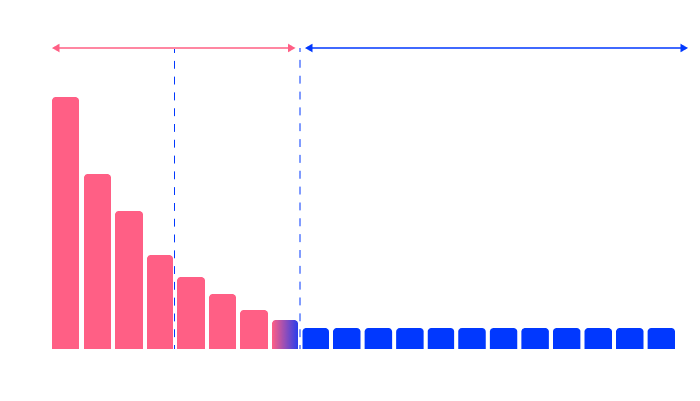
Most agencies approach SEO for real estate agents by duplicating the same page across dozens of suburbs, swapping in a new name and expecting local rankings to follow. The pages look different but say nothing different, and Google treats them accordingly. What actually moves local visibility is matching each suburb page to a specific intent, buyer, seller, renter, or appraisal, and backing it with evidence only that area can provide. CMAX helps teams build and manage suburb-level pages at scale when the manual approach stops being practical.

Duplicate Suburb Pages Rarely Win Local Property Searches

Unique Suburb Pages Win

Local SEO for real estate agents performs better when each suburb page answers a distinct query, buyer, seller, renter, or appraisal, with details that could only apply to that area. Current listings, recent sales context, school catchments, transport links, and the types of homes that shape local demand all give a page something specific to say. A buyer searching for real estate agent keilor east expects local proof: recent sold prices, street-level knowledge, and active listings in that pocket. A page built around Paddington’s terrace market reads and ranks differently from one built around Kellyville’s family home corridor. That specificity is what connects the page to the searcher’s actual question.

Queries like top 10 real estate agents Sydney show how searchers narrow by location, and SEO for real estate agents is a practical application of search engine optimisation, where suburb-specific pages with unique local evidence consistently outperform generic office pages that repeat the same copy across multiple areas.

Generic Pages Miss Local Intent

Generic office pages and near-duplicate location pages tend to fall short in local searches for several compounding reasons. They repeat the same copy across suburbs, which gives search engines little reason to rank one page over another for a suburb-specific query. They provide minimal suburb-level market context, so a buyer researching a particular area finds nothing useful. They rarely link users toward related suburb or service pages, leaving site structure flat and disconnected. Most critically, they fail to match the next action the searcher likely wants, booking an appraisal, browsing active listings, or submitting an enquiry. A page that cannot answer “what should I do next?” loses the conversion regardless of where it ranks.

The suburb × intent model sets page priorities.

Map each suburb by intent

SEO for real estate agents starts with mapping each suburb by the intent it attracts. Before mapping suburbs by intent, it helps to ground the SEO definition in local search behaviour: matching the right page to the right searcher at the right moment. A buyer searching “houses for sale in Fitzroy” and a seller searching “what’s my Fitzroy home worth” are in the same suburb but at opposite ends of the conversion path. One page cannot serve both well. Buyer searches typically lead to listings and suburb guides; seller and appraisal searches lead to valuation tools and agent contact forms; renter searches lead to available properties and property management enquiries. When a single catch-all page tries to cover all four intent types, it usually converts none of them cleanly. The practical fix is to treat each suburb-plus-intent combination as its own page priority, or at minimum a tightly segmented section with a distinct conversion action, so the content and layout match what that specific searcher is ready to do next. While SEO for real estate agents focuses on suburb-level intent rather than product catalogues, the structured approach used in ecommerce SEO marketing, mapping pages to specific user actions, offers a useful parallel for organising buyer, seller, and appraisal pages.


Market differences change results

The same page template can rank well in one suburb and stall in another, and the reason is rarely the template itself. Search Console query patterns show which intent types are actually generating impressions in a given area. CRM data shows whether those clicks are producing qualified leads or dead ends. Actual inventory in a suburb determines how much local proof is available to make a page credible. A suburb with high turnover and strong buyer demand may reward a detailed buyer-intent page quickly; a suburb with low listing volume may need a seller or appraisal focus instead. The SEO local SEO layer is what separates a page that ranks from one that converts, because local signals tie the content to a specific area’s demand. Publishing at the same cadence across every suburb, regardless of these signals, tends to dilute effort rather than compound it.

Local relevance depends on specific signals Google can recognise.

Use recognisable local signals

SEO for real estate depends on specific signals Google can recognise, such as consistent business details and suburb-level evidence. Suburb pages are more likely to align with local search behaviour when they reflect a real service presence rather than a nominal one. That means including concrete, verifiable details that tie the page to a specific location: consistent business name, address, and phone number; suburb names used naturally within the copy rather than forced into headings; nearby landmarks and transport links that a local would recognise; and internal links that show how the suburb connects to related services and surrounding areas.

Each of those signals gives search engines something to verify. A page that names the school catchment, references a nearby train station, and links to a neighbouring suburb page carries more location weight than one that swaps a suburb name into a generic template. The details also serve the reader directly, because a buyer or seller researching that area wants evidence the agent actually works there.

Whether the focus is SEO Perth or SEO Australia, the same suburb-level signals apply. SEO for real estate agents demands the same rigorous attention to verifiable local signals that ecommerce SEO agencies apply when aligning product and category pages with the specific queries and locations they are meant to serve.

Proof point: suburb-scale coverage

The suburb-by-suburb search dynamic is well established outside real estate.[1] In one CMAX engagement, a regional internet provider built 6,637 suburb-specific pages and lifted organic traffic 86% within 12 months.

The mechanism transfers directly to real estate. Buyers and sellers search at suburb level, yet many agency sites cover only a fraction of those query patterns. An agent whose site addresses Paddington buyers, Newtown sellers, and Surry Hills renters as separate pages with distinct local evidence captures searches that a single office page cannot reach. The gap between what searchers look for and what most agency sites publish is where suburb-level coverage creates a measurable advantage.

A measured workflow makes local SEO easier to scale.

Suburb-level search coverage checklist

Scaling suburb pages without a filter produces volume without value. A measured workflow makes SEO for real estate agents easier to scale when each new page meets a minimum bar before going live, keeping expansion tied to demand, evidence, and a clear conversion path rather than geography alone.

SEO for real estate agents shares a core scaling challenge with shopify SEO in that both require a disciplined, repeatable page-creation workflow to keep each new page at a minimum standard of relevance and conversion readiness before it goes live.

Work through these five checks before publishing:

Confirm real demand or strategic value. A suburb earns a page when Search Console data, CRM lead patterns, or active inventory shows genuine search activity or business opportunity. Filling out a service radius with pages that have no demand behind them dilutes the site and splits crawl budget.

Assign the primary intent. Buyer, seller, renter, and appraisal searches follow different conversion paths. Identify which query pattern dominates for that suburb and build the page around the action that visitor is most likely to take next.

Gather location-specific evidence. Active listings, recent sales context, school catchments, transport links, and local landmarks are the details that make a suburb page materially different from every other page on the site. If that evidence does not exist yet, the page is not ready.

Define one conversion action. An enquiry form, an appraisal request, or a property alert signup, pick one and let the content and layout support it. Pages that hedge across multiple calls to action tend to convert on none.

Build the internal links. Connect the page to related suburb, service, and office pages so both users and search engines can follow the relationship between locations and neighbouring markets.

Check that the copy is materially different from other suburb pages in both evidence and search intent, not just suburb names swapped into the same template.

Measure enquiries by intent cluster

Swapping a suburb name into a shared template does not produce a distinct page. Google can detect near-duplicate content across location pages, and more practically, a buyer searching “houses for sale in Fitzroy” and a seller searching “property appraisal Fitzroy” are at different points in a decision and need different pages to convert.[2]

The clearest way to audit this is a Search Console-to-CRM workflow. Pull query data at the page level, group pages by intent cluster (buyer, seller, renter, appraisal), then match impressions and clicks against CRM outcomes: form fills, calls, appraisal requests, and listing opportunities. Search Console data can reveal whether pages answering how to choose a real estate agent for selling drive appraisal requests or just impressions. That connection shows which suburb pages generate qualified enquiries and which generate visibility without commercial follow-through.

Just as shopify SEO agencies audit product pages to confirm each one is materially distinct and conversion-ready, SEO for real estate agents requires checking that suburb pages differ in genuine local evidence and intent focus rather than just swapping place names into a shared template.

Two questions worth asking for each suburb page before it goes live or stays live:

  • Does this page contain evidence that could only apply to this suburb, such as active listings, recent sales context, school catchments, or transport links?
  • Does the page’s conversion path match the dominant search intent for that suburb?

If the answer to either is no, the page is a template with a postcode, and it will likely perform like one. Measurement at intent-cluster level, rather than aggregate traffic, is what separates a suburb SEO programme that generates leads from one that generates reports.

Practical SEO choices matter more than broad traffic gains.

Prioritise viable suburbs first

Not every suburb inside a service radius deserves a page. Priority belongs to suburbs where real search demand exists, competition is achievable, and enough local material is available to build a page that earns an enquiry. A suburb with thin inventory, no recent sales context, and no distinguishing local detail will likely produce a page that ranks poorly and converts worse.

The practical filter is straightforward: does the suburb have query volume worth targeting, can the site realistically compete for it, and is there enough verifiable local evidence to make the page genuinely useful? If the answer to any of those is no, the page is a resource cost with limited return. Generic SEO services rarely prioritise the suburb-plus-intent coverage that drives qualified property enquiries.

Qualified enquiries beat broad traffic

The stronger long-term approach to SEO for real estate agents ties suburb coverage to qualified enquiries. Foundational work covers consistent business details, a well-structured site, and clear internal links between office, service, and suburb pages. Suburb-plus-intent coverage layers on top: separate pages or tightly segmented sections for buyer, seller, renter, and appraisal queries in each priority suburb.

The success measure is whether those pages generate qualified local enquiries, appraisal requests, and listing opportunities. Generic traffic rising on its own tells an agent very little about whether the SEO investment is working. A Search Console-to-CRM workflow, connecting impressions and clicks to actual form fills and appraisal bookings, gives a clearer read on which suburbs and intent clusters are producing real business outcomes.

As SEO for real estate agents continues to evolve, staying across developments in AI search can help agents anticipate how property-related queries may be interpreted and surfaced differently across emerging platforms.

Frequently Asked Questions (FAQ)

How can SEO help real estate agents generate more property leads?

At its core, SEO for real estate agents captures suburb-specific searches and routes each visitor to the right page. More property leads follow when each suburb-specific buyer, seller, renter, and appraisal search lands on a page that matches the exact action the visitor is considering. Sending every search through one general office page loses the intent signal. A buyer researching schools in a specific suburb and a seller wanting an appraisal in that same suburb need different pages, different evidence, and different conversion paths.

Should real estate agents target generic or local keywords?

Local keywords typically produce more qualified opportunities. Suburb and service combinations, such as “sell my home in [suburb]” or “[suburb] rental appraisal,” signal a clearer next step than a broad term like “real estate agent” alone. The more specific the query, the closer the searcher is to taking action.

How do real estate agents rank for neighbourhood searches?

Agents tend to rank better for neighbourhood searches by publishing pages with unique local evidence, linking those pages into a coherent site structure, and matching each page to a specific search intent. Duplicating the same copy across multiple suburbs with only the suburb name swapped works against this.

How important is a Google Business Profile for real estate agents?

A Google Business Profile is an important local signal that helps connect the business to a real service presence. It works best when the website also supports suburb-level searches with relevant pages, consistent business details, and clear links between office, service, and suburb content.

What are the best local SEO tips for real estate agents?

Prioritise suburbs with real search demand, separate pages by buyer or seller intent, add location-specific proof such as recent sales context or school catchments, build internal links between related areas and services, and measure qualified enquiries rather than traffic volume alone.

SEO for real estate agents and SEO for mortgage brokers both depend on capturing local, intent-driven searches, but agents typically need to separate pages by suburb and transaction type, buyer, seller, or appraisal, while brokers more often organise content around loan type and borrower circumstance.

Thousands of Suburb Pages, Two Lines of Code

Most real estate SEO stalls at the same point: a handful of location pages, each too thin to rank, none built around the specific ways buyers, sellers and renters actually search.

CMAX is an agentic SEO platform purpose-built for long-tail scale. It deploys and continuously updates content across the thousands of suburb-plus-intent combinations your audience uses, so you’re not manually creating one page at a time. Our AI agents target the 90-plus percent of search demand that sits beyond head terms, where qualified enquiries live. Teams typically start seeing measurable traction within six weeks of deployment.

If your current SEO can’t keep pace with every suburb, every intent type and every algorithm shift, that’s the gap CMAX was designed to close.

References [1] – https://searchengineland.com/guide/long-tail-keywords-seo [2] – https://developers.google.com/search/docs/essentials/spam-policies

Most agencies approach SEO for real estate agents by duplicating the same page across dozens of suburbs, swapping in a new name and expecting local rankings to follow. The pages look different but say nothing different, and Google treats them accordingly. What actually moves local visibility is matching each suburb page to a specific intent, buyer, seller, renter, or appraisal, and backing it with evidence only that area can provide. CMAX helps teams build and manage suburb-level pages at scale when the manual approach stops being practical.

Duplicate Suburb Pages Rarely Win Local Property Searches

Unique Suburb Pages Win

Local SEO for real estate agents performs better when each suburb page answers a distinct query, buyer, seller, renter, or appraisal, with details that could only apply to that area. Current listings, recent sales context, school catchments, transport links, and the types of homes that shape local demand all give a page something specific to say. A buyer searching for real estate agent keilor east expects local proof: recent sold prices, street-level knowledge, and active listings in that pocket. A page built around Paddington’s terrace market reads and ranks differently from one built around Kellyville’s family home corridor. That specificity is what connects the page to the searcher’s actual question.

Queries like top 10 real estate agents Sydney show how searchers narrow by location, and SEO for real estate agents is a practical application of search engine optimisation, where suburb-specific pages with unique local evidence consistently outperform generic office pages that repeat the same copy across multiple areas.

Generic Pages Miss Local Intent

Generic office pages and near-duplicate location pages tend to fall short in local searches for several compounding reasons. They repeat the same copy across suburbs, which gives search engines little reason to rank one page over another for a suburb-specific query. They provide minimal suburb-level market context, so a buyer researching a particular area finds nothing useful. They rarely link users toward related suburb or service pages, leaving site structure flat and disconnected. Most critically, they fail to match the next action the searcher likely wants, booking an appraisal, browsing active listings, or submitting an enquiry. A page that cannot answer “what should I do next?” loses the conversion regardless of where it ranks.

The suburb × intent model sets page priorities.

Map each suburb by intent

SEO for real estate agents starts with mapping each suburb by the intent it attracts. Before mapping suburbs by intent, it helps to ground the SEO definition in local search behaviour: matching the right page to the right searcher at the right moment. A buyer searching “houses for sale in Fitzroy” and a seller searching “what’s my Fitzroy home worth” are in the same suburb but at opposite ends of the conversion path. One page cannot serve both well. Buyer searches typically lead to listings and suburb guides; seller and appraisal searches lead to valuation tools and agent contact forms; renter searches lead to available properties and property management enquiries. When a single catch-all page tries to cover all four intent types, it usually converts none of them cleanly. The practical fix is to treat each suburb-plus-intent combination as its own page priority, or at minimum a tightly segmented section with a distinct conversion action, so the content and layout match what that specific searcher is ready to do next. While SEO for real estate agents focuses on suburb-level intent rather than product catalogues, the structured approach used in ecommerce SEO marketing, mapping pages to specific user actions, offers a useful parallel for organising buyer, seller, and appraisal pages.

Market differences change results

The same page template can rank well in one suburb and stall in another, and the reason is rarely the template itself. Search Console query patterns show which intent types are actually generating impressions in a given area. CRM data shows whether those clicks are producing qualified leads or dead ends. Actual inventory in a suburb determines how much local proof is available to make a page credible. A suburb with high turnover and strong buyer demand may reward a detailed buyer-intent page quickly; a suburb with low listing volume may need a seller or appraisal focus instead. The SEO local SEO layer is what separates a page that ranks from one that converts, because local signals tie the content to a specific area’s demand. Publishing at the same cadence across every suburb, regardless of these signals, tends to dilute effort rather than compound it.

Local relevance depends on specific signals Google can recognise.

Use recognisable local signals

SEO for real estate depends on specific signals Google can recognise, such as consistent business details and suburb-level evidence. Suburb pages are more likely to align with local search behaviour when they reflect a real service presence rather than a nominal one. That means including concrete, verifiable details that tie the page to a specific location: consistent business name, address, and phone number; suburb names used naturally within the copy rather than forced into headings; nearby landmarks and transport links that a local would recognise; and internal links that show how the suburb connects to related services and surrounding areas.

Each of those signals gives search engines something to verify. A page that names the school catchment, references a nearby train station, and links to a neighbouring suburb page carries more location weight than one that swaps a suburb name into a generic template. The details also serve the reader directly, because a buyer or seller researching that area wants evidence the agent actually works there.

Whether the focus is SEO Perth or SEO Australia, the same suburb-level signals apply. SEO for real estate agents demands the same rigorous attention to verifiable local signals that ecommerce SEO agencies apply when aligning product and category pages with the specific queries and locations they are meant to serve.

Proof point: suburb-scale coverage

The suburb-by-suburb search dynamic is well established outside real estate.[1] In one CMAX engagement, a regional internet provider built 6,637 suburb-specific pages and lifted organic traffic 86% within 12 months.

The mechanism transfers directly to real estate. Buyers and sellers search at suburb level, yet many agency sites cover only a fraction of those query patterns. An agent whose site addresses Paddington buyers, Newtown sellers, and Surry Hills renters as separate pages with distinct local evidence captures searches that a single office page cannot reach. The gap between what searchers look for and what most agency sites publish is where suburb-level coverage creates a measurable advantage.

A measured workflow makes local SEO easier to scale.

Suburb-level search coverage checklist

Scaling suburb pages without a filter produces volume without value. A measured workflow makes SEO for real estate agents easier to scale when each new page meets a minimum bar before going live, keeping expansion tied to demand, evidence, and a clear conversion path rather than geography alone.

SEO for real estate agents shares a core scaling challenge with shopify SEO in that both require a disciplined, repeatable page-creation workflow to keep each new page at a minimum standard of relevance and conversion readiness before it goes live.

Work through these five checks before publishing:

Confirm real demand or strategic value. A suburb earns a page when Search Console data, CRM lead patterns, or active inventory shows genuine search activity or business opportunity. Filling out a service radius with pages that have no demand behind them dilutes the site and splits crawl budget.

Assign the primary intent. Buyer, seller, renter, and appraisal searches follow different conversion paths. Identify which query pattern dominates for that suburb and build the page around the action that visitor is most likely to take next.

Gather location-specific evidence. Active listings, recent sales context, school catchments, transport links, and local landmarks are the details that make a suburb page materially different from every other page on the site. If that evidence does not exist yet, the page is not ready.

Define one conversion action. An enquiry form, an appraisal request, or a property alert signup, pick one and let the content and layout support it. Pages that hedge across multiple calls to action tend to convert on none.

Build the internal links. Connect the page to related suburb, service, and office pages so both users and search engines can follow the relationship between locations and neighbouring markets.

Check that the copy is materially different from other suburb pages in both evidence and search intent, not just suburb names swapped into the same template.

Measure enquiries by intent cluster

Swapping a suburb name into a shared template does not produce a distinct page. Google can detect near-duplicate content across location pages, and more practically, a buyer searching “houses for sale in Fitzroy” and a seller searching “property appraisal Fitzroy” are at different points in a decision and need different pages to convert.[2]

The clearest way to audit this is a Search Console-to-CRM workflow. Pull query data at the page level, group pages by intent cluster (buyer, seller, renter, appraisal), then match impressions and clicks against CRM outcomes: form fills, calls, appraisal requests, and listing opportunities. Search Console data can reveal whether pages answering how to choose a real estate agent for selling drive appraisal requests or just impressions. That connection shows which suburb pages generate qualified enquiries and which generate visibility without commercial follow-through.

Just as shopify SEO agencies audit product pages to confirm each one is materially distinct and conversion-ready, SEO for real estate agents requires checking that suburb pages differ in genuine local evidence and intent focus rather than just swapping place names into a shared template.

Two questions worth asking for each suburb page before it goes live or stays live:

  • Does this page contain evidence that could only apply to this suburb, such as active listings, recent sales context, school catchments, or transport links?
  • Does the page’s conversion path match the dominant search intent for that suburb?

If the answer to either is no, the page is a template with a postcode, and it will likely perform like one. Measurement at intent-cluster level, rather than aggregate traffic, is what separates a suburb SEO programme that generates leads from one that generates reports.

Practical SEO choices matter more than broad traffic gains.

Prioritise viable suburbs first

Not every suburb inside a service radius deserves a page. Priority belongs to suburbs where real search demand exists, competition is achievable, and enough local material is available to build a page that earns an enquiry. A suburb with thin inventory, no recent sales context, and no distinguishing local detail will likely produce a page that ranks poorly and converts worse.

The practical filter is straightforward: does the suburb have query volume worth targeting, can the site realistically compete for it, and is there enough verifiable local evidence to make the page genuinely useful? If the answer to any of those is no, the page is a resource cost with limited return. Generic SEO services rarely prioritise the suburb-plus-intent coverage that drives qualified property enquiries.

Qualified enquiries beat broad traffic

The stronger long-term approach to SEO for real estate agents ties suburb coverage to qualified enquiries. Foundational work covers consistent business details, a well-structured site, and clear internal links between office, service, and suburb pages. Suburb-plus-intent coverage layers on top: separate pages or tightly segmented sections for buyer, seller, renter, and appraisal queries in each priority suburb.

The success measure is whether those pages generate qualified local enquiries, appraisal requests, and listing opportunities. Generic traffic rising on its own tells an agent very little about whether the SEO investment is working. A Search Console-to-CRM workflow, connecting impressions and clicks to actual form fills and appraisal bookings, gives a clearer read on which suburbs and intent clusters are producing real business outcomes.

As SEO for real estate agents continues to evolve, staying across developments in AI search can help agents anticipate how property-related queries may be interpreted and surfaced differently across emerging platforms.

Frequently Asked Questions (FAQ)

How can SEO help real estate agents generate more property leads?

At its core, SEO for real estate agents captures suburb-specific searches and routes each visitor to the right page. More property leads follow when each suburb-specific buyer, seller, renter, and appraisal search lands on a page that matches the exact action the visitor is considering. Sending every search through one general office page loses the intent signal. A buyer researching schools in a specific suburb and a seller wanting an appraisal in that same suburb need different pages, different evidence, and different conversion paths.

Should real estate agents target generic or local keywords?

Local keywords typically produce more qualified opportunities. Suburb and service combinations, such as “sell my home in [suburb]” or “[suburb] rental appraisal,” signal a clearer next step than a broad term like “real estate agent” alone. The more specific the query, the closer the searcher is to taking action.

How do real estate agents rank for neighbourhood searches?

Agents tend to rank better for neighbourhood searches by publishing pages with unique local evidence, linking those pages into a coherent site structure, and matching each page to a specific search intent. Duplicating the same copy across multiple suburbs with only the suburb name swapped works against this.

How important is a Google Business Profile for real estate agents?

A Google Business Profile is an important local signal that helps connect the business to a real service presence. It works best when the website also supports suburb-level searches with relevant pages, consistent business details, and clear links between office, service, and suburb content.

What are the best local SEO tips for real estate agents?

Prioritise suburbs with real search demand, separate pages by buyer or seller intent, add location-specific proof such as recent sales context or school catchments, build internal links between related areas and services, and measure qualified enquiries rather than traffic volume alone.

SEO for real estate agents and SEO for mortgage brokers both depend on capturing local, intent-driven searches, but agents typically need to separate pages by suburb and transaction type, buyer, seller, or appraisal, while brokers more often organise content around loan type and borrower circumstance.

Thousands of Suburb Pages, Two Lines of Code

Most real estate SEO stalls at the same point: a handful of location pages, each too thin to rank, none built around the specific ways buyers, sellers and renters actually search.

CMAX is an agentic SEO platform purpose-built for long-tail scale. It deploys and continuously updates content across the thousands of suburb-plus-intent combinations your audience uses, so you’re not manually creating one page at a time. Our AI agents target the 90-plus percent of search demand that sits beyond head terms, where qualified enquiries live. Teams typically start seeing measurable traction within six weeks of deployment.

If your current SEO can’t keep pace with every suburb, every intent type and every algorithm shift, that’s the gap CMAX was designed to close.

References [1] – https://searchengineland.com/guide/long-tail-keywords-seo [2] – https://developers.google.com/search/docs/essentials/spam-policies

Author

Jeremy Tang

Founder and CEO of CMAX
Jeremy Tang is the Founder and CEO of CMAX. With over 2 decades of experience in business consulting and digital marketing, he has successfully driven seven startup businesses, six of which achieved $1 million in revenue from zero in less than 16 months, 5 of which grew to multi-million dollar a year ventures without any external funding. Jeremy's expertise lies in streamlining business processes through technology and leveraging digital (in particular SEO) for business growth. He resides in Australia, travels extensively, and draws inspiration from his global experiences.