The SEO vs GEO question is landing in a lot of marketing meetings right now, mostly because ChatGPT recommends brands in ways Google search never did. Before anything else: GEO here means generative engine optimisation, not geography or local listings.
That distinction matters, because plenty of vendors are selling “GEO” and meaning something different.
Generative engine optimisation is about whether your pages get pulled into AI-generated answers. SEO is about earning visibility and clicks from Google’s search results pages.
Google has confirmed its AI features run on the same core ranking systems as regular search, so the two are not separate channels. They are layered.
Treating them as separate budgets means paying twice for ground you may have already covered.
GEO is about being included in AI answers, while SEO is about winning search visibility
Generative engine optimisation has three outcomes: your page gets retrieved, cited, or summarised inside an AI-generated response. Search engine optimisation earns you visibility, impressions, and clicks from Google and other search results pages.
Google’s AI Overviews and AI Mode are built on its core search ranking and quality systems. That is the official position, published by Google.
So the question of what is generative engine optimisation is mostly answered by a question you already know: is this page good enough to rank?
GEO means generative, not geographic.
Local SEO covers map results, proximity, and your Google Business Profile. GEO SEO is a phrase used loosely across that overlap, but in this article GEO means one thing: whether an AI system can find your page, trust it, and pull it into an answer when someone asks a broader question.
SEO still feeds AI visibility.
Think of Google’s index as the library an AI uses to write its answer. If your page is not in the library, it cannot appear in the answer.
A page that is thin, outdated, or hard to read will not be retrieved. Generative AI search engine optimisation starts with the same foundations that good SEO always has.
The real shift is from ranking for a few terms to covering more of the long tail
When someone asks an AI tool a broad question, that tool often runs eight to twelve underlying Google searches to build its answer. That process is called query fan-out: the AI breaks one question into many smaller ones and pulls from whatever pages come back.
Why is generative engine optimisation important comes down to this: one customer prompt can generate a dozen searches, and each one is an opportunity you either have content for or you do not.
AI rewards breadth, freshness, and structure
Google’s own guidance confirms you do not need llms.txt, special AI markup, or new writing formats to appear in AI search. In practice, generative engine optimisation services and GEO services deliver more when they focus on broad topic coverage, current information, clear headings, and a crawlable page structure.
LLM optimisation is mostly good content hygiene, applied at scale. The best generative engine optimisation tools and answer engine optimisation approaches share that same logic: optimise for AI search by improving the foundations you already have.
Coverage, not a new channel
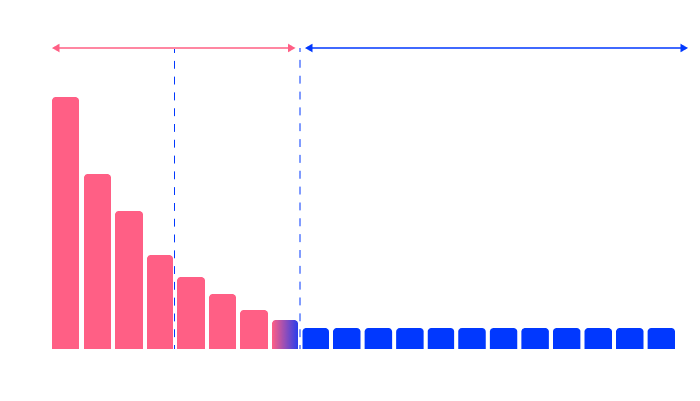
The long tail means the specific, detailed searches people type, as opposed to short general terms. Over 90% of search and AI demand is in the long tail.
Most of what your customers actually type into Google or ask ChatGPT sits in that majority, not in the handful of high-volume terms your agency tracks every month.
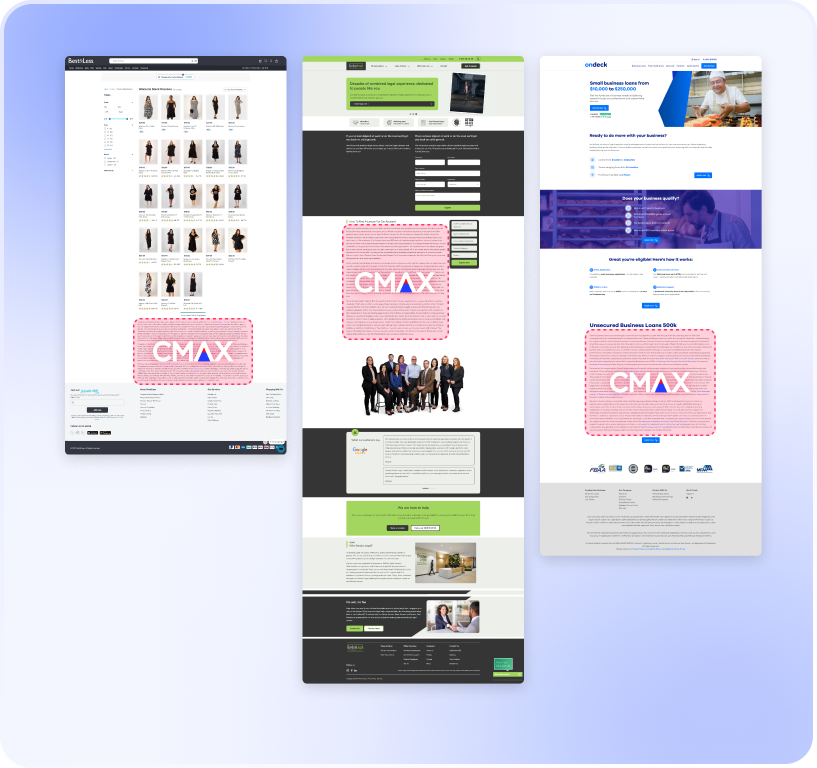
CMAX targets the 90% of search demand in the long tail, combining long-tail content deployment, Dynamic Internal Linking, and continuous refresh into one operating system for organic growth.
The smartest strategy measures coverage, freshness, and commercial impact, not hype
Answer engine optimisation is worth pursuing when it connects to commercial outcomes. Three questions decide that: how many high-intent questions your pages actually cover, how current those pages remain, and whether that visibility contributes to pipeline or sales.
Organic visibility still matters. It just does not tell you whether your brand appears across the wider set of questions customers ask in AI tools.
Connected, current pages perform better.
Google’s ranking systems use relevance, usability, and whether other credible websites refer to your content. Pages perform better when they sit inside a connected topic cluster, are refreshed on a schedule, and answer the next question a buyer is likely to ask.
That is also the baseline any GEO agency needs to deliver durable AI-answer visibility.
Build for systems, not spikes.
Separate AI optimisation checklists can make the task look exotic when it is not. AI search visibility depends on depth, relevance, and the same retrieval signals that support Google visibility.
The best platforms for this work are making the existing channel broader and more current, not building a new one. The search generative experience question and the standard SEO question have the same answer: cover more ground, keep it fresh, make it easy to read.
For teams that want a system built around that reality, we are the Agentic SEO Platform. Clients see first clicks in 6-8 weeks, with programmes maturing around month six.
Frequently Asked Questions (FAQ)
How can a small website get into AI Overviews?
Google’s AI features rely on its core search ranking and quality systems, which is why SEO vs aeo comparisons still come back to the same foundations: topical coverage, crawlability, and evidence on the page. A smaller site should focus on answering specific questions clearly, making sure Google can read every page, and keeping content current.
AI Overview optimisation is a search quality programme, applied consistently, and the same disciplines that support it are what the best generative engine optimisation services deliver.
A GEO agency Australia brief rests on exactly those same signals: topical coverage, crawlable structure, and current information that supports broader AI search visibility.
Do backlinks still matter in AI search?
Yes. Google’s ranking documentation lists whether other credible websites link to or refer to your content as a trustworthiness signal.
ChatGPT SEO and LLM SEO both inherit that logic, because AI engines retrieve from the same web Google indexes. Authority built through links still carries weight in AI-generated answers.
Can I block GPTBot and still appear in ChatGPT search?
Yes. OpenAI separates the two controls.
GPTBot governs training data use. OAI SearchBot is the crawler that surfaces sites in ChatGPT search results.
You can block GPTBot for training while allowing OAI SearchBot for search visibility. Prompt tracking tools, which repeatedly ask ChatGPT questions and record whether your brand appears, are the practical way to monitor whether that visibility is working.
Coverage wins, not labels
GEO and SEO work as one system, and the same point applies when AEO vs SEO gets framed as a split instead of another variation on search visibility. Google’s ranking and quality signals feed the answers AI tools give, so visibility depends on how much of the long tail you actually cover.
CMAX is the Agentic SEO Platform. Our agents deploy and continuously refresh content across the thousands of ways customers search for what you sell, on Google and inside AI answers.
Publishing a page is easy. Sustainable llm seo requires published pages to remain fresh, connected, and sufficiently useful for citation over time.
CMAX builds the coverage manual work can’t sustain: content that expands with demand, stays current, and links into the topic clusters Google and AI systems both rely on.
If you’re curious as to how you’re performing on AI, book in a Missing Customer Map review with our Growth Team here.
Author
Jeremy Tang
Founder and CEO of CMAX
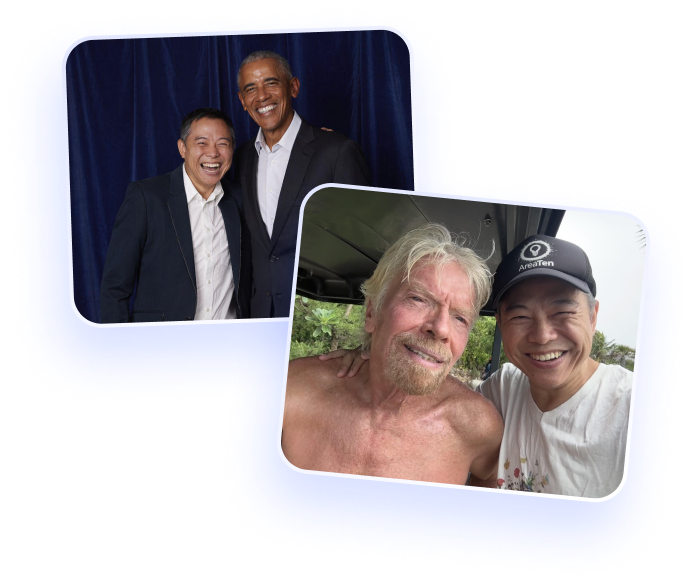
Jeremy Tang is the Founder and CEO of CMAX. With over 2 decades of experience in business consulting and digital marketing, he has successfully driven seven startup businesses, six of which achieved $1 million in revenue from zero in less than 16 months, 5 of which grew to multi-million dollar a year ventures without any external funding. Jeremy's expertise lies in streamlining business processes through technology and leveraging digital (in particular SEO) for business growth. He resides in Australia, travels extensively, and draws inspiration from his global experiences.