Generative engine optimisation is how your content becomes eligible to appear inside AI-generated answers, not how it holds a traditional ranking position. The distinction matters because AI systems retrieve, parse, and synthesise information differently than search engines list it. A page can perform well in organic results and still never get cited in an AI answer if the claims are vague, unsourced, or buried in broad copy. Getting cited requires a different set of signals on top of the SEO fundamentals you already maintain. CMAX works with enterprise teams applying these retrieval and citation principles at scale.
Generative Engine Optimisation Supports AI Answer Visibility
Inclusion and Citation in AI Answers
Generative engine optimisation focuses on whether a page can be retrieved, parsed, and cited inside an AI-generated answer. That is a different objective from holding a position on a traditional search results page. A brand optimising for AI answers is not chasing a fixed slot; it is working to have its content selected, synthesised, and attributed when an AI system constructs a response to a user’s query. The mechanism matters: retrieval pulls candidate passages, parsing extracts meaning, synthesis assembles the answer, and attribution connects the claim back to a source. A page can fail at any one of those stages and never appear in the answer, regardless of how well it performs in conventional search.
Generative engine optimisation, sometimes spelled generative engine optimisation in British and Australian English, focuses on the same core goal: making a brand’s content retrievable, parseable, and citable inside AI-generated answers.
GEO Means AI-Answer Visibility
A working generative engine optimisation definition centres on one outcome: a brand’s content appearing, being synthesised, and being attributed inside an AI-generated answer. For those searching under the British spelling, what is generative engine optimisation describes the same practice applied to the same goal. That distinction is worth stating plainly because the abbreviation carries two other meanings: geographic targeting in advertising and, in some markets, the British-spelled “optimisation” applied to location-based content. Neither applies here. GEO as used in this context also differs from SEO work aimed solely at conventional search listings. SEO and GEO share technical foundations, but the end goal diverges: SEO targets a ranked position a user clicks through; GEO targets inclusion in a synthesised answer a user reads before deciding whether to click at all.
Generative engine optimisation is closely related to generative search optimisation, with both terms describing the practice of making content eligible for inclusion and citation within AI-synthesised answers rather than traditional ranked listings.
The GEO workflow builds on technical and content eligibility.
Crawlability, Indexing, and Structure
AI systems can only cite what they can reach and parse. A page that search engine crawlers cannot access, or that lacks a clear indexing signal, is invisible to the retrieval layer before any AI synthesis begins.
Structure matters beyond basic crawlability. Pages organised with clear headings, scannable sections, and recognisable entity cues give AI systems cleaner inputs. When a passage is easy to isolate, the system can pull it into a synthesised answer without having to guess where one idea ends and another begins. Vague, undifferentiated blocks of prose are harder to parse into answer-ready segments, even when the underlying information is accurate.
Entity cues, meaning named concepts, defined terms, and consistent labelling throughout a page, help AI systems place a passage in the right context. A page that uses the same term consistently across headings, body copy, and metadata is easier to match to a query than one that shifts terminology without explanation. Generative engine optimisation principles apply regardless of market, and businesses researching generative engine optimisation Perth will find that the same technical eligibility requirements, crawlability, clear structure, and attributed evidence, determine AI-answer visibility in localised queries just as they do nationally.
GEO Complements SEO
GEO and SEO address different stages of the same pipeline. SEO gets a page discovered and indexed. Generative engine optimisation addresses what happens after discovery: whether a system can retrieve the page, preserve its meaning through parsing and synthesis, and attribute the core claim accurately in an answer.
Both conditions must hold. A page that ranks but loses its meaning during synthesis will not be cited reliably. That is why GEO work sits on top of SEO foundations rather than replacing them. This discipline, often shortened to generative engine optimisation GEO, builds directly on these established technical foundations, which is why practitioners often discuss GEO SEO as a unified discipline that treats crawlability, indexability, and AI-answer eligibility as interconnected requirements rather than separate workstreams.
Useful GEO signals make evidence easier to extract.
Signals That Help AI Cite
AI systems do not cite pages at random. They retrieve passages, parse meaning, compare claims across sources, and attribute the result. Direct claims, attributed evidence, semantic variants, schema markup, and visible authorship each reduce the ambiguity that interrupts that process.
A direct claim gives the system a discrete, extractable answer. Attributed evidence ties that claim to a named source, publication date, or methodology, making it easier to reuse in a synthesised response. Semantic variants cover the range of ways a user might phrase the same question, so the system can connect the query to the passage even when the wording differs. Schema markup and visible authorship signal credibility at a structural level, giving both readers and AI systems more reason to treat the content as reference-worthy.
Effective generative engine optimisation strategies reduce ambiguity for AI systems by combining these signals: direct claims, attributed evidence, semantic coverage, schema, and visible authorship all work together to make a page citable rather than merely indexable.
Generative engine optimisation shares considerable overlap with answer engine optimisation, since both disciplines prioritise structuring content so that AI and answer-based systems can extract, trust, and surface a brand’s claims accurately.
Why Basic SEO Is Not Enough
A page can rank for a term and still be difficult to cite. If the answer is buried in broad marketing copy rather than stated in a sentence that directly resolves the query, the system has to guess at the claim. Unsourced statements carry less weight in synthesis than claims tied to a named source or clear methodology.
Structured elements, including lists, tables, definitions, and schema, reduce that guesswork. They turn indexed content into content a system can extract with confidence. Visible authorship and update context add a further layer: they give AI systems a reason to treat the page as current and credible, not just present.
What makes generative engine optimisation different is that AI-answer visibility depends on whether a system can extract, compare, and trust a claim during synthesis. Keyword targeting alone does not satisfy that condition. This is why is generative engine optimisation important: a page that only ranks well but cannot be cited accurately will lose visibility as AI-generated answers replace traditional result pages.
GEO Decisions Depend on Measurement and Trust
Citations Differ From Rankings
Citation tracking asks a different question than rank tracking. A ranking report tells you where a page sits in a conventional search results page. Citation tracking tells you whether your brand, a specific page, or a precise claim appears inside an AI-generated answer.
That distinction changes what you measure. A user may encounter your brand inside an AI answer before they ever visit your site, click a result, or trigger a session in your analytics. The first discovery moment happens upstream of the traffic signal, which means standard rank-and-click reporting can miss it entirely.
Dedicated generative engine optimisation tools log whether a brand appears in AI-generated responses, tracking citation presence rather than rank position. Both generative engine optimisation and answer engine optimisation require this citation-level tracking, because the first moment a brand appears may occur inside a synthesised answer before any direct site visit takes place.
Scaled Content and Retrieval Opportunity
Broader topical coverage gives AI systems more eligible passages to surface and cite. In one CMAX engagement, a B2B omnichannel hospitality retailer added 5,000 long-tail product pages and drove $1M+ per month in incremental SEO revenue within 8 months. The retrieval dynamic is the same for GEO: a page that directly resolves a narrow query is a stronger citation candidate than a broad page that only partially addresses it. Coverage at scale increases the number of passages that qualify.
Trust Depends on Source Transparency
AI answers can misattribute sources, compress nuance, or repeat outdated claims. A defensible generative engine optimisation approach accounts for that directly: explicit sourcing, precise claim wording, and ongoing observation of how your brand information appears in AI-generated answers. If a system is citing an outdated figure or attributing a claim to the wrong page, you need a monitoring process in place to catch it.
Frequently Asked Questions (FAQ)
How is GEO impacting my site’s analytics?
GEO creates attribution gaps that standard analytics won’t flag. A user sees your brand cited inside an AI-generated answer, closes the tool, and returns two days later through a branded search or types your URL directly. That visit registers as direct or branded organic traffic, with no visible connection to the AI touchpoint that preceded it. Because generative search engine optimisation influences discovery before a click ever happens, watch for unexplained lifts in branded search volume and direct sessions alongside any GEO activity.
How can we tell if our content is being featured in AI tools?
Build a defined prompt set that mirrors how your target audience asks questions, then run those prompts manually or through a prompt-tracking tool on a regular cadence. Log whether your brand name, URLs, or distinctive claims appear in the answer body or the cited source panel. Consistency in that log is what separates signal from noise.
Do we need to optimise differently for each AI tool?
A separate content strategy for every AI tool isn’t necessary. What is necessary is testing how major systems handle formatting, citation behaviour, content freshness, and structured elements, then using those observations to decide which content attributes to prioritise. Generative AI search engine optimisation applies the same core principles across platforms, though each system may weight certain content attributes differently.
Are there reliable ways to track GEO success?
Combine prompt-level citation tracking with shifts in branded search demand, assisted conversions, and landing-page engagement. That combination stops AI visibility from being misread as traditional rank movement, which would distort how you report progress internally.
Why should my organisation care about GEO?
AI-generated answers shape early research before a buyer clicks anything. When a user wants a synthesised explanation of a category, product type, or vendor comparison, the brands that appear in that answer get seen, compared, and recalled first. Brands absent from those answers start the buying conversation at a disadvantage.
Generative engine optimisation affects which brands are seen, compared, and remembered during that early research phase, which is why some organisations choose to work with a GEO agency that specialises in prompt tracking, structured content audits, and AI-answer citation analysis.
Two Lines of Code, Thousands of Long-Tail Keywords
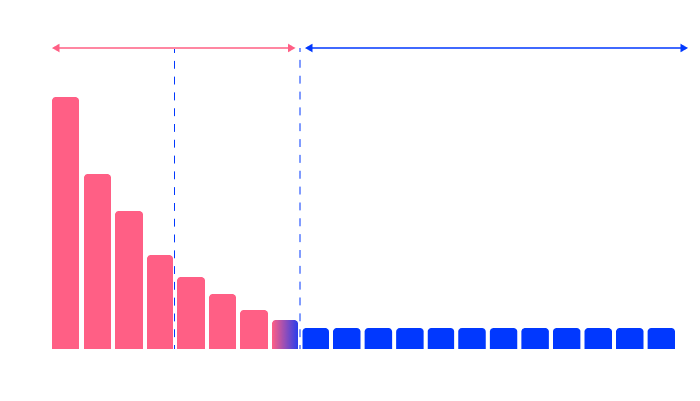
CMAX is an agentic SEO platform built for one job: capturing the 90% of search and AI demand that sits in the long tail.
Our AI agents deploy and continuously update content targeting the thousands of ways customers actually search for what you sell. The platform works programmatically, two lines of code, no months-long implementation, so results start showing in as little as six weeks. As generative engine optimisation reshapes how brands earn visibility in AI-synthesised answers, CMAX positions your content to be retrieved, parsed, and cited across both traditional search and AI surfaces.
If your current SEO stack wasn’t built for that scale, it’s already falling behind.
Author
Jeremy Tang
Founder and CEO of CMAX
Jeremy Tang is the Founder and CEO of CMAX. With over 2 decades of experience in business consulting and digital marketing, he has successfully driven seven startup businesses, six of which achieved $1 million in revenue from zero in less than 16 months, 5 of which grew to multi-million dollar a year ventures without any external funding. Jeremy's expertise lies in streamlining business processes through technology and leveraging digital (in particular SEO) for business growth. He resides in Australia, travels extensively, and draws inspiration from his global experiences.