The best SEO content services find the searches your site is missing and turn them into pages that bring in sales. A content SEO agency does this by mapping service, product and compliance questions to search intent, internal links and Search Console measurement.
Most retailers cover a small slice of what customers type into Google. Good content marketing services widen that slice. Useful content marketing agency services go past blog writing to page selection, refresh planning, internal links and lead or sales measurement.
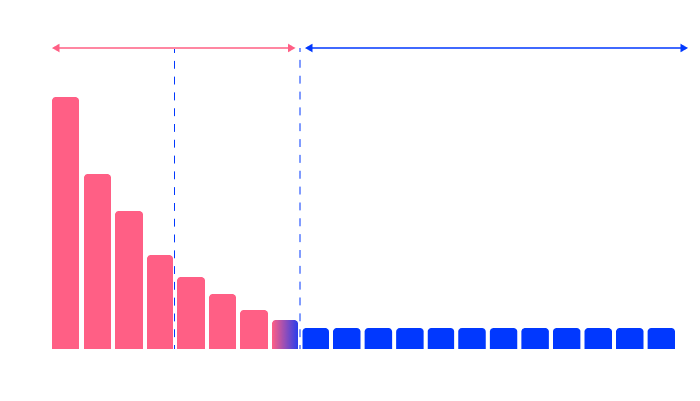
Even the biggest player in a category rarely captures more than 5% of the organic search opportunity, which tells you how much demand sits untouched in the long tail.
Picture a shopping centre with one grand entrance on the main street. Your competitors crowd that entrance, while most shoppers walk in through the hundreds of small side doors that almost nobody is watching. In this context, long-tail content means building a door for each side street where your customers already walk.
Strong SEO strategies go after those side doors. A sound SEO content strategy decides which pages to build, which to refresh and how they link together, all tied back to leads and revenue as well as site visits. An effective content strategy for SEO also plans for freshness and keeps each important page linked.
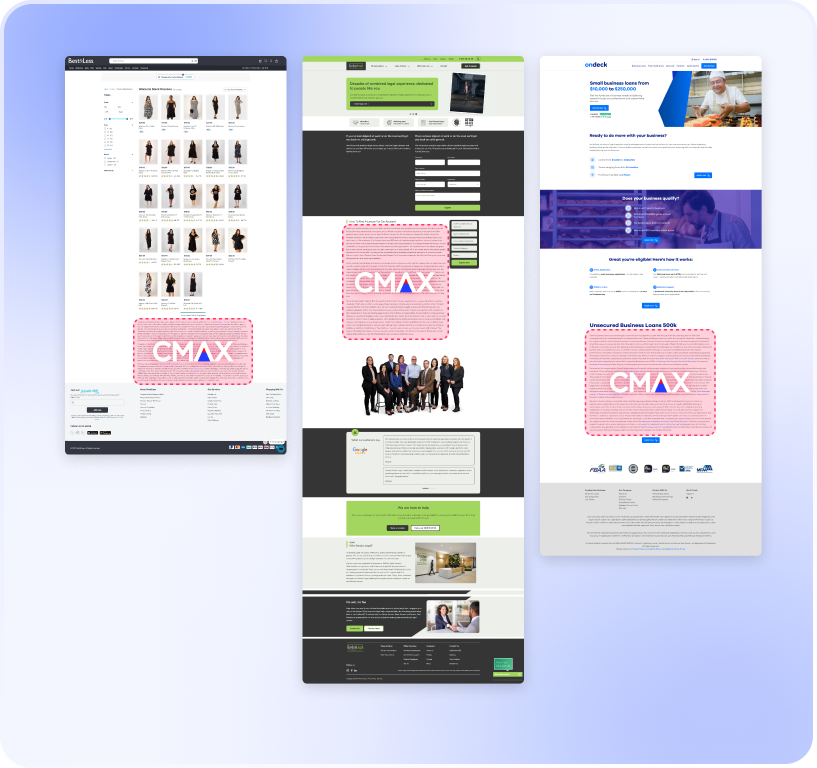
CMAX works from this approach: long-tail coverage, internal linking and reporting that connects content work to sales.
A content SEO agency helps brands win search demand they are not covering today.
Intent, coverage, links, measurement
Plan content and SEO together from the first brief. The agency’s job is to find the service, product, comparison, problem and compliance questions your site doesn’t answer. It then maps each page to a search intent, keyword cluster, internal link path and commercial outcome.
Google states that links help it find new pages to crawl and that anchor text helps it interpret what a page is about, so internal linking belongs in the plan from day one. Search Console is Google’s free tool that shows which searches your site appears for. Use it to track what is working.
More than blog writing
A blog post is one page. Content marketing agency SEO work covers the whole set: which pages exist, which are stale and which are missing. In regulated or complex categories, content for SEO starts from approved claims, product facts and legal guidance, so the work scales without copy that compliance later rejects.
The real value is broader coverage, fresher pages, and connected content that search engines can use.
Long-tail coverage drives growth
Over 90% of search and AI demand is in the long tail: the specific, detailed queries people actually type. Growth comes from answering more of those searches through effective SEO content writing, instead of competing over a handful of head terms. Your SEO content marketing strategy should list those searches first.
CMAX covers the comparisons, objections and high-intent questions that sit close to a buying decision.
Freshness and internal linking
Content goes stale. An effective content strategy for SEO accounts for Google’s freshness systems. Google also states that each page you care about needs at least one inbound link with descriptive anchor text.
CMAX applies Dynamic Internal Linking to your content strategy in SEO. It keeps growing page sets connected, so important pages stay discoverable.
Agentic SEO Platform at scale
CMAX is the Agentic SEO Platform. CMAX is trained on human-reviewed, client-approved content, so output stays inside approved brand, legal and regulatory guidance. A standalone writing supplier hands over copy. A content SEO agency connects approved content, internal links and performance data across the site.
Our approach to content freshness SEO keeps improving pages and internal links based on performance. That supports Full Body SEO: breadth, freshness and site-wide connection built together.
Buyers Need Proof That the Work Supports Revenue, Not Vanity Metrics
Reporting Tied to Revenue
Ask any content SEO agency to show you which pages were created or refreshed, which queries each page gained, whether qualified sessions increased, and whether those sessions contributed to leads, revenue or pipeline. CMAX defines a content SEO agency as a provider accountable for page coverage, qualified sessions, leads and revenue, and publishing volume alone doesn’t meet that standard. If the report can’t answer those four questions, it’s measuring activity. Activity is cheap, and most offices already have plenty.
Fit Depends on Complexity and Gaps
Fit comes down to how much long-tail demand your site misses, how technical the buying process is, and how tightly claims are controlled. A practical SEO and content marketing strategy reflects all three. Anyone comparing content marketing australia providers should ask how each one handles approvals.
The tighter the approval process, the more source discipline and product nuance shape what gets published and how fast stale pages are refreshed.
Timelines Depend on Method
Before you commission SEO content, ask the agency to explain how it achieves the timeframe it quotes. A credible content marketing strategy agency can describe its delivery mechanism. Most SEO programmes run by conventional agencies, using outdated methods, tell clients to expect results in six months. CMAX’s methods allow clients to start seeing clicks in 6 to 8 weeks. Implementation typically takes four to six weeks, and new customers arrive within 60 days.
How much time does an SEO agency need from our team?
The heaviest lift is upfront. A SEO content writing company needs your priority products, customer objections, sales language, approved and restricted claims, and the pages that matter most commercially. After that, ongoing input is light if the agency runs a clear workflow for briefs, approvals, refreshes and linking.
An SEO content strategist should tell you in week one how many hours a month they need from you. Regulated teams should budget more review time.
Who owns the content created by an SEO agency?
Contracts for SEO content creation and content marketing strategy services should define who owns the final copy, briefs, page structures, graphics, metadata, linking recommendations and CMS implementation. If the agency uses proprietary systems or custom models, confirm what stays vendor IP and what you can export, edit or keep live after the engagement ends.
Can an SEO agency guarantee a first-page position?
No. Google explicitly states there are no secrets that automatically rank a site first. A content SEO agency should improve the inputs it controls: long-tail coverage, intent alignment, internal linking, refresh cadence and reporting your leadership can read and act on.
Content SEO Agency Starts With Search Coverage
A content SEO agency should first answer one question: how many of the ways customers search do you actually cover? CMAX is built around that gap. Growth usually comes from useful pages you don’t have yet. Squeezing a little more out of a few obvious terms returns far less.
We help brands expand content surface area across the long tail, keep pages fresh, and strengthen the internal links around them, so Google has more to find, read and rank.
A durable content SEO strategy connects content to intent, commercial pages and measurable outcomes, then keeps improving what is published as demand shifts.
You can’t fix a gap you haven’t measured. The review shows which searches and AI answers your site misses today.
If you’re curious as to how you’re performing on AI, book in a Missing Customer Map review with our Growth Team.
Author
Jeremy Tang
Founder and CEO of CMAX
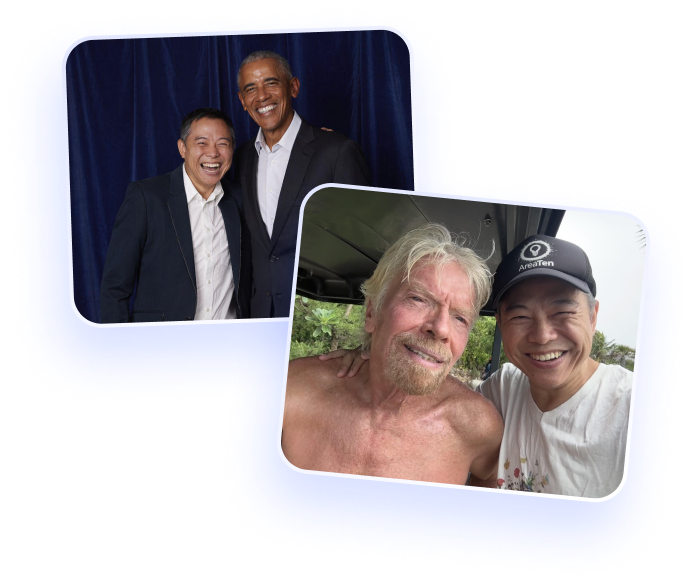
Jeremy Tang is the Founder and CEO of CMAX. With over 2 decades of experience in business consulting and digital marketing, he has successfully driven seven startup businesses, six of which achieved $1 million in revenue from zero in less than 16 months, 5 of which grew to multi-million dollar a year ventures without any external funding. Jeremy's expertise lies in streamlining business processes through technology and leveraging digital (in particular SEO) for business growth. He resides in Australia, travels extensively, and draws inspiration from his global experiences.