What AEO means depends on context, but in SEO and AI search, it stands for Answer Engine Optimisation. The term describes a specific kind of content work: structuring pages so answer engines can find a clear response, extract it, and trust the source behind it. It sits inside SEO rather than replacing it, which is where most of the confusion starts. If you’re evaluating how this fits your existing strategy, CMAX works in this space as a programmatic SEO platform built around the kind of structured, answer-ready content AEO calls for.
AEO Usually Means Answer Engine Optimisation
AEO in SEO and AI Search
AEO stands for Answer Engine Optimisation. In SEO and AI search, aeo means structuring content so answer engines can identify the question being asked, extract a direct answer near the top of the page, and recognise the supporting context that explains why that answer is credible.
The distinction worth holding onto: answer engines don’t just rank pages, they pull specific answers from them. A page optimised for AEO makes that extraction straightforward. The question is stated plainly, the answer appears early, and the surrounding content gives the system enough context to treat that answer as trustworthy rather than arbitrary. The aeo meaning in marketing circles points to exactly this: making content extractable for AI-driven answer surfaces, not only rankable in traditional results.
Grasping the full aeo meaning is easier when you see how aeo SEO functions as a unified practice, with answer-focused optimisation built into the same crawlable, structured pages that traditional search has always relied on.
Google frames AEO as visibility work within AI search, and is clear that it sits inside SEO rather than beside it. The mechanics are the same: crawlable pages, readable structure, credible sourcing. What changes is the precision required at the answer level. For anyone unfamiliar with the acronym, aeo stands for Answer Engine Optimisation, and the label describes a specific layer of SEO rather than a separate discipline.
When AEO Means Something Else
AEO also refers to Authorised Economic Operator, a designation used in customs and international trade for businesses that meet compliance standards for import and export operations. The two meanings share nothing beyond the acronym.
The surrounding topic resolves the ambiguity immediately. A page about search visibility and AI answers is using AEO in the Answer Engine Optimisation sense. A page about customs clearance or trade compliance is using it in the Authorised Economic Operator sense. No overlap, no confusion once the context is clear.
AEO is not a replacement for SEO.
AEO sits within SEO
AEO sits inside modern SEO. What aeo means in practice is that answer engines don’t bypass the web to generate responses, they crawl pages, parse heading structures, and evaluate source signals before they surface or cite anything. A page that can’t be indexed can’t be quoted. A page with vague headings gives an answer engine no reliable signal about what question it answers.
That dependency means aeo and SEO work overlap almost entirely at the technical and structural level. Knowing what SEO means is the starting point: crawlability, page architecture, and authority signals aren’t prerequisites you clear before doing AEO, they’re part of it. A closer look at aeo vs SEO helps clarify which practices belong to each and where they genuinely overlap.
AEO vs GEO
GEO (Generative Engine Optimisation) and AEO both operate in AI search, and the terms are often used interchangeably. The SEO GEO aeo overlap is where most of the confusion sits, because all three labels describe work that targets the same underlying systems. The distinction is one of scope. GEO tends to describe AI visibility as a broader category, how content performs across generative systems in general. AEO is the narrower term when the specific job is making on-page answers easier to extract, attribute, and display. For a fuller picture of that broader category, a guide to GEO generative engine optimisation covers AI visibility at that wider level.
If a colleague uses GEO where you’d use AEO, they’re likely describing the same underlying work. What SEO means in marketing, and how it relates to these newer labels, comes down to the same core discipline applied to different surfaces. The label matters less than the practice: clear questions, direct answers, and page structures that give AI systems something usable to work with.
AEO Includes Answer Clarity, Not Gimmicks
Use This AEO Scope Checklist
When people ask what aeo means, the scope covers these signals: clear definitions, explicit question answering, evidence-backed statements, and readable page structure. Vague positioning lines, hidden text, and unsupported claims dressed up as optimisation fall outside it entirely.
Applying what aeo means in practice is the foundation of aeo marketing, where clear definitions, evidence-backed statements, and well-structured pages replace vague positioning lines that answer engines cannot usefully extract or cite.
Use the following criteria to assess whether a page is doing the actual work:
- The page states the question in the same plain language a searcher would use. If the phrasing on the page and the phrasing in the search bar don’t match, the answer engine has to work harder to make the connection.
- The answer appears early. A direct definition comes before the supporting detail, not after three paragraphs of scene-setting.
- Key terms are defined before the page shifts into acronyms or specialist language. Readers and answer engines both need the plain version first.
- Headings describe the exact question or subtopic covered in the section below. Generic labels like “Overview” or “More Information” give answer engines nothing to work with.
- Claims are supported with evidence, attribution, or a clear qualification when the point is interpretive. Assertions without grounding are not optimisation; they’re noise.
- The page adds context that explains scope, boundaries, or common confusion. A one-line definition rarely satisfies a question that has genuine ambiguity around it.
- Navigation and layout make the main answer, supporting detail, and the next section easy to scan. Structure is part of the signal, not an afterthought.
A page that meets these criteria gives answer engines a usable answer and the surrounding context needed to treat it as credible.
No part of the page relies on hacks, filler copy, or language written to sound certain without proving the point.
Signals that help answer engines
Content depth, descriptive headings, relevant schema, and accessible HTML structure give answer engines the signals they need to interpret what a page answers, where the answer starts, and which supporting details belong with it.[1]
Each of those elements does a specific job. Content depth tells the system there is enough substance to trust the answer. Descriptive headings map the page’s structure so the engine can locate the relevant section without guessing. Schema markup labels the content type explicitly. Clean, accessible HTML removes parsing friction that can cause an engine to misread or skip a section entirely.
Thin copy, generic subheads, and unsourced assertions work against all of that. A heading like “More Information” tells an answer engine nothing about what follows. A claim stated without evidence or qualification gives the system no basis for attribution. Filler sentences that restate the paragraph above add word count without adding signal.
The practical standard is straightforward: every sentence should carry a claim the page can support, and every heading should describe the section below it accurately enough that a reader or a machine could predict the content before reading it. Pages built to that standard give answer engines something usable. Pages built around vague positioning language or unsupported certainty do not.
AEO Can Be Checked With Visible Signals
Signals to track in practice
Tracking whether what aeo means is translating into visible outcomes starts with Google Search Console. Where AI search reporting is available, watch impressions, clicks, and the wording of incoming queries together. If answer-focused pages are being surfaced for more specific, question-led searches, the query data will shift: you’ll see longer, more conversational phrases appearing alongside the broader head terms you already track. That pattern is a practical indicator that the page’s structure and answer clarity are registering with AI search systems.
Proof point from large-scale coverage
Scale amplifies this effect. Based on CMAX’s own client engagement data, a B2B omnichannel hospitality retailer added 5,000 long-tail product pages and recorded a 255% organic traffic increase within 12 months. The mechanism is directly relevant here: broader long-tail coverage means more pages answering narrower queries clearly enough to be surfaced. Each page that states a specific question and answers it directly adds another point of entry for AI systems looking for citable, attributable content. A single well-optimised page helps; hundreds of them compound. That’s the structural argument for treating AEO as a coverage discipline rather than a one-page fix.
For a business looking for aeo Sydney teams can point to, visible Search Console signals are the first proof point. Businesses tracking local performance may also explore GEO services Sydney as a complementary way to build AI search visibility across location-specific queries.
A plain-language AEO example makes the term clearer.
Clear answers beat vague claims
Take the phrase “AEO is the future.” An answer engine scanning that line has no question to match it to, no definition it can extract, and no supporting detail it can use to verify the claim. It cannot quote it, summarise it, or attribute it with any confidence.
Swap that line for a direct definition, “AEO, or Answer Engine Optimisation, is the practice of structuring content so AI-powered search systems can identify the question a page answers, extract a usable response, and evaluate the context that makes that response credible”, and the picture changes. The system has a clear answer near the top of the page, a term it can attribute, and surrounding detail that explains scope. That is the structural difference between content that gets surfaced and content that gets skipped. When choosing an aeo agency readers can trust, the test is whether the page delivers that kind of structural clarity rather than vague promises.
The practical takeaway
A page that states a real question plainly, answers it directly, supports its key claims with evidence or careful qualification, and uses headings that reflect what each section actually covers is already doing the core work most people mean when they say AEO. No proprietary framework required. The discipline is in the execution: specificity over assertion, structure over decoration, and answers that hold up when a system tries to verify them against the rest of the page.
For organisations ready to move from knowing the concept to putting it into practice, working with an aeo agency Sydney can help translate answer-focused principles into structured, crawlable content that AI search systems can surface. Across every step outlined above, that is the core of what aeo means.
Frequently Asked Questions (FAQ)
Is AEO replacing SEO?
No. AEO is a search visibility practice within SEO. AI answer systems still depend on discoverable, crawlable web pages for source material, which means the technical and editorial foundations of SEO remain the prerequisite, not an optional extra.
One of the most common questions that arises when people research what aeo means is the relationship explored in SEO vs aeo, particularly whether the two represent competing approaches or simply different emphases within the same search visibility discipline.
How does AEO work in SEO?
AEO works by making a page’s main question, direct answer, and supporting evidence easy for both readers and search systems to find, interpret, and reuse. That means the question is stated plainly, the answer appears early, and the structure signals where one idea ends and the next begins.
How do you optimise for AEO?
Start with a real question. Give a direct answer near the top of the page. Organise the rest under descriptive headings that match what a searcher would actually type. Support any non-obvious claim with evidence or a clear qualification so the page earns the credibility an answer engine needs before it will surface or cite the content.
How do you measure AEO success?
Track impressions, clicks, and the wording of incoming queries in Google Search Console, particularly where AI search reporting is available. Shifts in query patterns toward more specific, question-led searches are a stronger signal than any single AI citation or mention.
Why does AEO matter?
More searches now expect immediate answers. Pages that define a topic clearly, explain its boundaries, and support their claims have a better chance of being surfaced for specific questions than pages that rely on vague positioning or unsupported assertions.
AEO Needs Scale, Two Lines of Code Deliver It
Most teams know their content should show up in AI-driven search experiences. Few have the bandwidth to make it happen across thousands of long-tail queries.
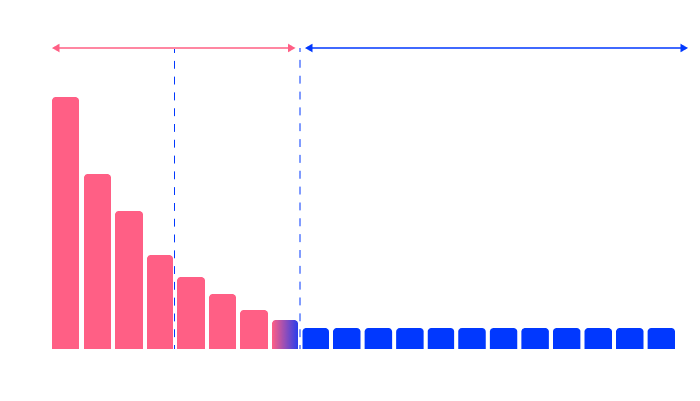
CMAX is an agentic SEO platform built for exactly that gap. We deploy and continuously update content targeting the long tail, the queries that, according to our data, represent over 90% of search and AI demand yet go largely uncaptured. Two lines of code connect CMAX to your site, and our AI agents handle page creation, optimisation, and refresh at a speed manual teams simply can’t match.
If AEO means making your content citable by answer engines, the prerequisite is coverage at scale, and that’s where we operate.
References [1] – https://developers.google.com/search/docs/fundamentals/creating-helpful-content
Author
Jeremy Tang
Founder and CEO of CMAX
Jeremy Tang is the Founder and CEO of CMAX. With over 2 decades of experience in business consulting and digital marketing, he has successfully driven seven startup businesses, six of which achieved $1 million in revenue from zero in less than 16 months, 5 of which grew to multi-million dollar a year ventures without any external funding. Jeremy's expertise lies in streamlining business processes through technology and leveraging digital (in particular SEO) for business growth. He resides in Australia, travels extensively, and draws inspiration from his global experiences.