AEO SEO gets treated as one thing when it’s really two disciplines with different jobs. AEO focuses on making your content retrievable and quotable by AI answer systems. SEO focuses on making sure that content can be crawled, indexed, and ranked in the first place. The confusion comes from the overlap: both touch structured data, both care about page structure, but they solve different problems at different stages of how search systems use your pages. CMAX works across both layers, combining programmatic scale with the technical foundations each discipline depends on.
AEO and SEO Cover Different Parts of the Same Search Strategy
Retrieval vs Ranking Roles
The way aeo SEO strategies divide responsibility is central to how modern search works. When asking what is aeo SEO, the answer lies in two distinct layers of the same search pipeline. SEO determines whether a page can be crawled, indexed, and ranked for a given query. AEO determines whether a passage on that page can be retrieved, quoted, and synthesised into a direct answer by a language model.
The aeo vs SEO distinction is functional. A page that ranks well but lacks clearly structured, self-contained passages may never surface as an AI-cited source. A page with tightly written answer blocks but weak crawlability may never reach the index at all. Each discipline handles a different failure mode.
Why AEO Still Needs SEO
AI-generated answers draw from source pages that search systems can already access and interpret. If a page is poorly crawled, thinly indexed, or structurally ambiguous, answer optimisation adds little. The retrieval systems that power AI answers depend on the same accessible, well-structured content that conventional search engines have always required.
Answer optimisation works best when crawlability, indexation, and page structure are already sound. Those foundations are SEO’s job. AEO builds on top of them by shaping how individual passages read once a system reaches the page. Treat SEO as the condition that gets content into the pipeline, and AEO as the work that makes that content usable once it’s there.
Treating aeo and SEO as a combined strategy is foundational to aeo marketing, since both retrieval optimisation and crawlability must work together before content can surface reliably in search or AI-generated answers.
The boundaries become clearer when the work is mapped by function.
What AEO includes, where SEO applies
The clearest way to separate the two aeo SEO disciplines is to map each task by function. Some work improves passage retrieval and synthesis; other work determines whether the page is discoverable and processable at all. Those are different jobs, and conflating them makes it harder to prioritise either. A dedicated breakdown of aeo vs SEO can help clarify exactly which activities belong to each discipline. These practices, sometimes grouped under SEO GEO aeo, increasingly overlap in ways that reward functional mapping over siloed thinking.
AEO operates at the passage level. That means writing direct answer blocks that still make sense when a language model lifts them out of the page and presents them without surrounding context. It means naming entities, attributes, and relationships explicitly, so a machine can recognise precisely who, what, and how the page is describing, rather than inferring it from loose phrasing. It also means structuring sections around narrow questions, comparisons, and definitions, so individual passages are retrievable for specific prompts rather than only useful when read in full.
SEO operates at the page and site level. Crawling, indexation, canonicals, and internal linking are SEO concerns because they govern whether pages can be found and consolidated correctly in the first place. Keyword targeting, search intent mapping, and site architecture also sit with SEO, because those decisions signal page purpose and query fit to search engines before any retrieval system gets involved.
Mapped this way, the disciplines stop looking like competitors. AEO refines what a page says and how it says it at the passage level; SEO determines whether that page is accessible and correctly interpreted at the infrastructure level. Both are active at the same time on the same page.
Both overlap on structured data, because markup can improve machine readability, but it still depends on sound technical implementation and correct page-level context.
Technical SEO vs answer formatting
Structured data is where AEO and SEO share the most ground, and where the boundary between them is easiest to blur. This is where aeo SEO overlap becomes most visible. Schema markup improves machine readability, but the markup only works when the technical implementation is sound and the page-level context it describes is accurate. A schema tag on a poorly structured or thinly indexed page adds little.
The clearest way to hold the line: technical foundations sit with SEO. Crawlability, indexation, canonical signals, and correct schema implementation are SEO responsibilities. Answer formatting, entity clarity, and passage-level retrieval sit closer to AEO, because those decisions influence whether a retrieval system can lift a useful, self-contained answer from the page rather than simply log the page’s existence. When a large language model consumes structured data to generate a cited response, LLM SEO principles determine whether the markup gives that model enough entity and attribute detail to select the right passage. Similarly, gemini SEO considerations highlight how Google’s own retrieval surfaces weight schema-enriched pages when assembling AI-generated answers.
Structured data bridges both. When markup correctly identifies entities, attributes, and relationships on a page that is already crawlable and indexed, it gives retrieval systems a faster path to the right passage. When the technical layer is weak, the markup cannot compensate. The two disciplines reinforce each other at this intersection rather than substitute for one another. Structured data sits at the intersection of both disciplines, and a closer look at SEO vs aeo reveals how the same markup can serve crawlability goals for one practice and entity-clarity goals for the other.
For teams deciding where to focus, the practical split is this: fix the technical layer first so pages are accessible and correctly interpreted, then apply answer formatting and entity clarity so the content those pages carry can be retrieved and synthesised accurately.
The mechanics show why AEO may improve answer visibility without replacing rankings.
Machine-readable pages still matter
Answer visibility improves when pages are indexable and machine-readable. Retrieval systems need accessible content, clear headings, and interpretable page elements before they can reuse a page as a source. A passage may be perfectly structured for synthesis, but if the page is blocked from crawling, missing from the index, or built on ambiguous markup, no retrieval system can reach it. The mechanics behind aeo SEO show why answer visibility can grow without displacing rankings. AEO formatting adds value on top of a technically sound page. Without that foundation, it adds nothing.
As AEO and SEO practices evolve to improve answer-surface visibility, adjacent disciplines such as GEO generative engine optimisation are also shaping how AI systems retrieve and synthesise content from indexed pages.
Client proof by mechanism
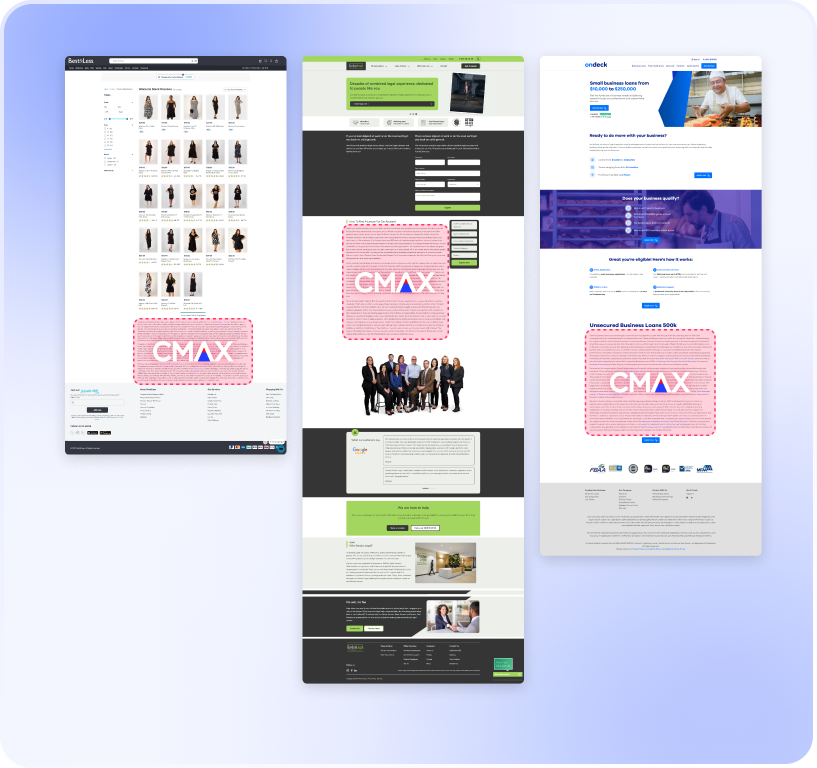
The relationship between indexable coverage and answer-surface visibility plays out at scale. For a business that needs SEO Melbourne teams can rely on, the same principle applies: broader long-tail query coverage produces more indexable, answer-ready source pages. In one CMAX engagement, a B2B omnichannel hospitality retailer published 5,000 long-tail product pages and reached $1M+ per month in incremental SEO revenue within 8 months. The mechanism is transferable to AEO: each additional page gives search engines and AI retrieval systems another specific, narrow passage to draw from when a user asks a precise question. A site with 50 pages covering broad topics gives retrieval systems fewer usable passages than a site with thousands of pages, each structured around a distinct query. Providers offering SEO in Sydney often face the same indexability requirements, where scale and specificity work together. Based on CMAX’s platform data, more indexable pages, each written around a narrow intent, may improve citation eligibility across a wider range of prompts without displacing the rankings those pages already hold.
Measurement should separate conventional SEO gains from AEO signals.
Use a matched audit window
Mixing SEO and AEO metrics into a single report makes it harder to know what moved and why. A before-and-after audit is more useful when it tracks indexed queries, impressions, and AI citations across the same six-week window for the same pages. That fixed period keeps the comparison clean: SEO optimisation gains stay on one side of the ledger, changes in answer-surface visibility stay on the other. Six weeks is enough time to see early movement without conflating a seasonal shift or a crawl delay with a genuine AEO signal. Pull the data at the page level, not the domain level, so you can tie citation changes directly to the passages you restructured.
While aeo SEO measurement is a category-level discipline, businesses exploring GEO services Sydney may find that the same audit frameworks, tracking indexed queries, impressions, and AI citations, apply equally to locally focused campaigns.
Build for discovery and synthesis
The most durable pages do two jobs at once. Search fundamentals, crawlability, internal linking, intent-matched headings, earn the page its place in the index. Answer-ready passages give AI systems something they can lift, attribute, and synthesise into a direct response without distorting the original meaning. Neither job cancels the other. A page that ranks but offers no retrievable answer block misses answer-surface eligibility. A page with clean answer passages but weak technical foundations may never get indexed in the first place. Write for both outcomes from the start, and your SEO strategies will have something worth separating. That dual focus is exactly what a mature aeo SEO measurement framework should capture.
Frequently Asked Questions (FAQ)
Is AEO replacing SEO?
No. Content that is hard to crawl, weakly structured, or absent from the index will not surface reliably in search or be reused in AI-generated answers. AEO adds a retrieval and synthesis layer on top of SEO foundations; it does not substitute for them.
Teams new to aeo SEO often start by clarifying what aeo means before mapping which content and technical tasks belong to each discipline.
Should I prioritise AEO over traditional SEO in 2026?
Layer AEO onto existing SEO foundations rather than treat it as a replacement. An experienced aeo agency layers answer formatting onto existing foundations, so the two disciplines reinforce each other. Fix the foundations first, then optimise passages for retrieval.
How do I measure AEO success?
Track AEO separately from conventional SEO gains. Monitor changes in AI citations or mentions alongside indexed queries and impressions for the same pages, held to a fixed before-and-after window. Keeping the measurement period consistent makes it possible to separate ranking movement from shifts in answer-surface visibility.
What are key best practices for AEO?
Write concise answer blocks that hold meaning without surrounding context. Teams practising aeo Australia are adopting concise answer blocks and explicit entity naming as standard workflow. Name entities, attributes, and relationships explicitly so machines can identify exactly what the page describes. Align headings to the specific questions a reader or AI system is likely to ask, and structure each section so individual passages are retrievable for narrow prompts.
Why should brands focus on zero-click searches in AEO?
Users frequently receive a direct answer on the results page or inside an AI response, with no click following.[1] Source visibility and citation eligibility still carry commercial weight in those moments, because the brand that gets quoted shapes the answer the user acts on.
Businesses building an aeo SEO strategy in Australia often consult an aeo agency Sydney to ensure that both answer formatting and technical foundations are implemented correctly from the outset.
SEO Covers Crawlability, CMAX Covers What Comes After
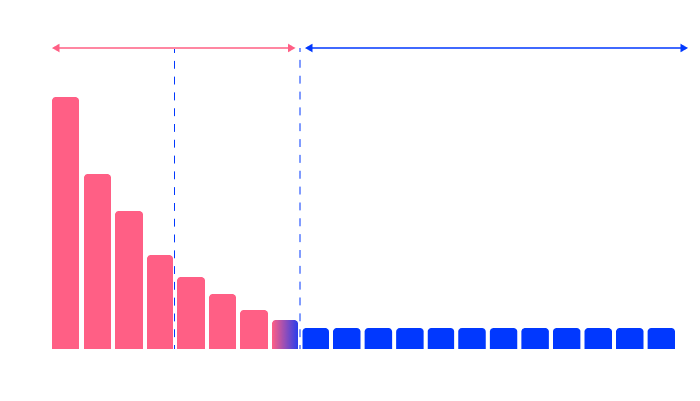
Most platforms stop at rankings. CMAX is an agentic SEO platform built to capture the 90% of search and AI demand that lives in the long tail. It deploys and constantly updates content for the thousands of ways customers actually search for what you sell, across traditional search and AI answer engines. With just two lines of code, CMAX targets long-tail keywords at a scale and speed manual teams can’t match. Results typically begin within six weeks.
When AEO and SEO work together, your content needs to be both crawlable and synthesizable at scale, and that’s where CMAX fits.
References [1] – https://sparktoro.com/blog/2024-zero-click-search-study-for-every-1000-us-google-searches-only-374-clicks-go-to-the-open-web-in-the-eu-its-360/
Author
Jeremy Tang
Founder and CEO of CMAX
Jeremy Tang is the Founder and CEO of CMAX. With over 2 decades of experience in business consulting and digital marketing, he has successfully driven seven startup businesses, six of which achieved $1 million in revenue from zero in less than 16 months, 5 of which grew to multi-million dollar a year ventures without any external funding. Jeremy's expertise lies in streamlining business processes through technology and leveraging digital (in particular SEO) for business growth. He resides in Australia, travels extensively, and draws inspiration from his global experiences.