At enterprise scale, enterprise SEO services cover far more than search positions for a handful of keywords. An enterprise SEO firm coordinates content decisions across sites, business units, approval paths and sales reports. Once a business has several of those, the question changes. Can anyone govern what gets published, who signs off, and how it ties back to sales?
Contracts for SEO agencies Australia are typically quoted in Australian dollars, while US agreements use US dollars and may follow different state-level requirements.
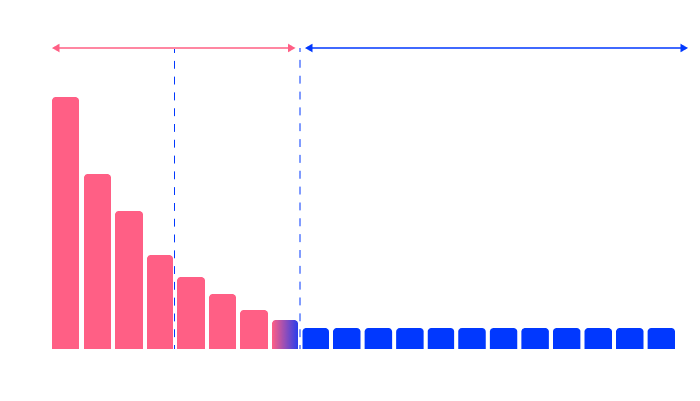
Most large sites already cover their main terms well. The bulk of search demand sits in the long tail, the specific, detailed searches customers actually type.
Let’s take for example a hotel with a well-staffed front desk. Most guests don’t ask for a room. They ask for a quiet room on a low floor with a cot and late checkout, and if nobody is briefed to give helpful information, they book somewhere else. In this context, long-tail coverage means having staff (pages) that can answer their questions about the amenities.
A credible enterprise SEO company finds that detailed demand and connects new coverage to brand, legal and product controls. If a firm can only maintain existing pages, growth stalls however clean the technical setup is. CMAX builds governed content surface area, so coverage grows without oversight shrinking.
An enterprise SEO firm helps large sites cover more demand without losing control.
SEO for complex organisations
An enterprise SEO firm is built for brands managing large page sets, several business units, regulated approval paths or multiple sites. A capable enterprise SEO agency treats content surface area as a governed system: business units, approval paths, sales reporting, page ownership and release control. CMAX positions enterprise SEO around that governed surface area.
A brief that starts as SEO for my website becomes a governance problem once coverage spans several business units, approval paths and reporting lines.
Long-tail coverage drives growth
Over 90% of search and AI demand is in the long tail. Those are specific searches, like “modular sofa with washable covers for apartment” rather than “sofa.” A technical SEO agency should go beyond crawl fixes and explain how long-tail questions become approved, connected pages instead of isolated templates.
In procurement, check whether an enterprise SEO firm can expand long-tail coverage while refreshing existing pages and maintaining approved internal links.
The right model keeps content fresh, approved, and connected.
Approved content at scale
Effective enterprise SEO optimisation services use approved brand assets, documented claim controls and version management, so outdated information doesn’t linger across hundreds of pages. In most enterprises, review is the bottleneck.
Ideas are plentiful, and nobody has ever been short of opinions on a product page. Ask any SEO firms which source material trains the system and how restricted claims are handled.
Agentic execution for long-tail demand
An enterprise SEO marketing company needs an operating model that updates content from performance data. CMAX’s Agentic SEO Platform keeps checking performance, updating content and strengthening internal links through Dynamic Internal Linking and Full Body SEO, which builds the whole content network around a topic.
When an AI tool answers a question, it runs query fan-out: several related searches, then it pulls from what ranks. Gaps in your supporting questions and use cases leave it less to retrieve.
Buyers should compare firm, company, and agency models by how they support revenue.
Compare operating speed, not promises
Most SEO programmes run by conventional agencies, using outdated methods, tell clients to expect results in six months. CMAX’s methods allow clients to start seeing clicks in 6 to 8 weeks. That timing depends on the site’s authority, the competition, technical conditions and how quickly approved content ships.
Compared with a conventional agency retainer, an enterprise SEO firm should show how approved pages move from topic selection to publication and revenue reporting. Size doesn’t change the questions. The largest SEO companies and a franchise SEO agency should both answer them.
For buyers comparing models, SEO for law firms shows how regulated content can also be built for speed when documented claim controls and an approval process scale safely.
Ask any firm to show the operating system behind its timeline. Transparent enterprise SEO pricing should specify the three-day review, expected publishing volume, approval responsibilities, implementation work and reporting tied to sales.
Measure revenue alignment
A claim to be the best enterprise SEO agency carries less weight than proof that search coverage connects to sales reporting and stakeholder alignment, without duplicate content undermining the work. Search Console, Google’s free tool, shows which searches your site appears for and links that query visibility to the pages influencing pipeline. Ask whether the enterprise SEO agency software behind the reporting records who approved each page.
Can an enterprise SEO firm guarantee first-place results?
No. Managing governed coverage across large sites is the defining work of an enterprise SEO firm. Promising a first-place position is a warning sign. Ask instead about what the firm controls: finding missing demand, approving content, refreshing pages, connecting topics and reporting commercial impact.
Changes in retrieval behaviour can affect results across regions; for example, ChatGPT SEO Australia would be affected in some form comparable to ChatGPT SEO US, and no provider can guarantee inclusion or visibility in generated answers. An enterprise SEO optimisation company should compare Search Console date ranges before reviewing releases, redirects, templates, seasonality and competitors.
CMAX’s position is that governed coverage and content momentum are the levers worth managing.
How should an SEO firm respond to a sudden drop in site visits?
Diagnose first. Google recommends comparing date ranges in Search Console and isolating affected queries, pages, countries, devices or search types.
If impressions hold while clicks fall, review titles and snippets first. Then separate site-wide drops from individual pages and review releases, redirects, noindex changes, template edits, seasonality and competitors.
How should an enterprise SEO firm handle a site migration?
Start with a tested URL map. Corporate enterprise SEO services should include server-side permanent redirects, updated internal links and canonicals, and both properties verified in Search Console.
Google advises keeping redirects for at least one year and expecting temporary ranking fluctuations. Require a pre-launch crawl, a priority URL list, redirect testing, post-launch monitoring and a rollback plan that protects the pages already influencing revenue.
After the technical migration checks are complete, SEO for ChatGPT still depends on preserving accessible, well-connected pages that retrieval systems can find through the search results available to them.
Enterprise SEO Firm Starts With Governance
An enterprise SEO firm is only as useful as the system behind it. For large sites, growth comes from expanding coverage while keeping control of what gets published, updated, linked and reported.
CMAX is the Agentic SEO Platform. Our view is simple: you lose to coverage you don’t have, and in enterprise teams that coverage has to stay inside brand, legal, product and reporting guardrails.
New searches keep appearing, and developments such as ChatGPT SEO create new ways for customers to find brands. We connect enterprise SEO marketing to approved long-tail content, ongoing updates, internal linking and sales reporting across large programmes.
The quickest way to find your gaps is to see which customer questions your site doesn’t answer yet. A short review shows you, and you can use the findings to test any firm’s proposal.
If you’re curious as to how you’re performing on AI, book in a Missing Customer Map review with our Growth Team.
Author
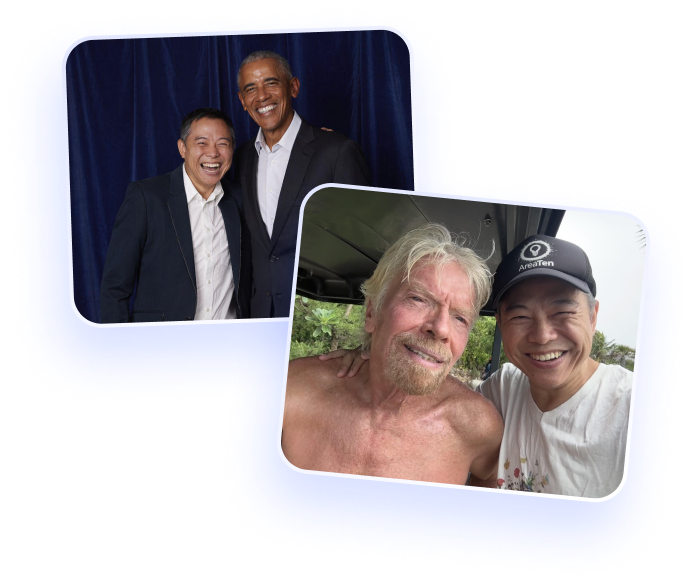
Jeremy Tang
Founder and CEO of CMAX
Jeremy Tang is the Founder and CEO of CMAX. With over 2 decades of experience in business consulting and digital marketing, he has successfully driven seven startup businesses, six of which achieved $1 million in revenue from zero in less than 16 months, 5 of which grew to multi-million dollar a year ventures without any external funding. Jeremy's expertise lies in streamlining business processes through technology and leveraging digital (in particular SEO) for business growth. He resides in Australia, travels extensively, and draws inspiration from his global experiences.