Gemini SEO means visibility inside Google’s AI-powered results, including AI Overviews and AI Mode. Sound SEO optimisation techniques aim there, because AI search optimisation leans on Google’s established ranking systems and Gemini has no separate index to chase.
For enterprise brands, gemini SEO covers visibility in AI Overviews, AI Mode, product categories and advice pages. The commercial link between SEO and AI is one question: do you show up for the specific searches your buyers type before they commit?
Those long-tail questions make up most of the demand. Miss them and a competitor answers instead.
CMAX is the Agentic SEO Platform enterprise marketing teams use to build that coverage at scale. Our agents publish and connect content that matches the questions buyers actually ask, instead of relying on broad category pages alone.
Gemini SEO means showing up in Google’s AI-powered search results
Gemini is Google’s AI layer
Gemini SEO means improving the chance that your brand, products, categories and advice pages appear in Google’s AI-powered search. Google’s own guidance says its AI features run on Google Search ranking systems.
You need nothing extra beyond being indexed and eligible to appear in Search. Labels like generative SEO describe the same job: being found in Google’s AI answers.
If you’re asking “What is search engine optimisation?” in this setting, it’s the long-standing work of earning visibility in Google, now including AI answers.
Long-tail visibility matters more
The bigger commercial opportunity is the long tail. LLM SEO targets the specific searches buyers type when they compare vendors, check fit or narrow a purchase.
For a homewares brand, product pages SEO may cover “sofa bed” and miss storage for a small apartment or fabric that is easy to clean with pets. A buyer with two cats rarely searches just “sofa bed”.
Google reports 15 percent of searches are ones it has never seen before, so generative engine optimisation needs wider coverage than established category terms give.
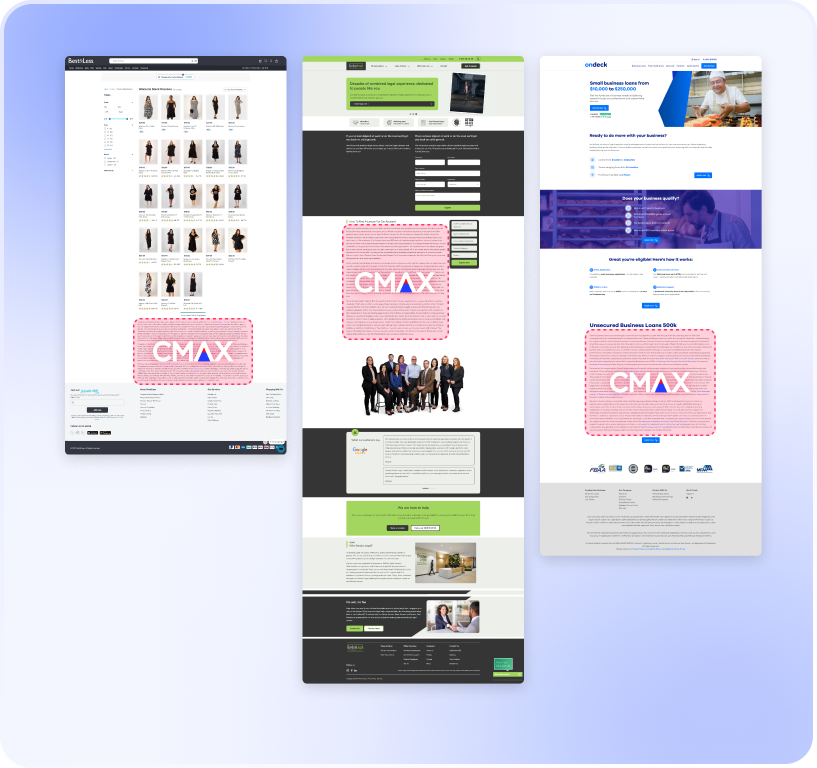
CMAX increases content surface area by covering more of the searches your buyers make
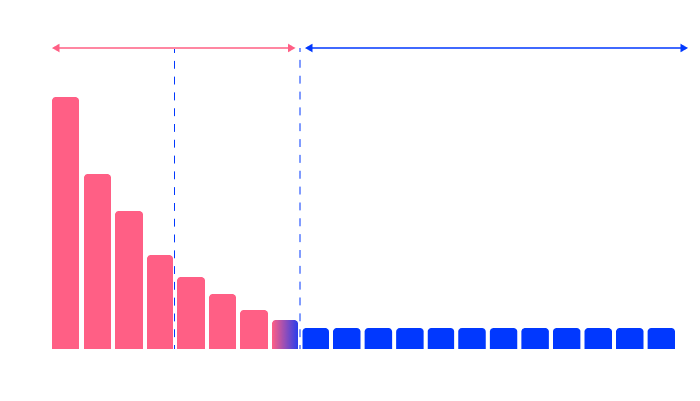
Long-tail demand drives coverage
Over 90% of search and AI demand is in the long tail. We apply gemini SEO to specific product, category, comparison, location, objection and use-case questions there.
Here is the test: if a buyer asks Google a detailed question about what you sell, do you have a page that answers it clearly, or does a competitor?
Coverage needs links and freshness
Publishing more pages is only part of the work. Large ecommerce, finance, healthcare, education, legal and SaaS sites also need pages that connect and stay current.
Australian enterprises comparing SEO services Perth with providers in Sydney or Melbourne should still assess implementation depth. CMAX supports gemini AI SEO with Dynamic Internal Linking, Full Body SEO and crawl frequency management, which sets how often Google revisits your pages.
Together they keep important pages updated, link them to supporting pages, and put useful answers on the page instead of burying them in disconnected blog content.
Scale needs brand-safe workflows
CMAX is trained on human-reviewed, client-approved content. Enterprise teams scale output from approved product information, service descriptions, policies, compliance notes and tone of voice.
Generative AI SEO software and ChatGPT for SEO can draft pages quickly, and approved inputs keep those drafts tied to facts you’ve signed off. For regulated sectors, AI SEO optimisation and AI search visibility optimisation both start from the same approved inputs.
The right Gemini SEO approach rests on coverage, freshness and measurement
Structure helps, coverage wins
Schema is a set of hidden labels in a page’s code. It can help Google interpret products, FAQs and reviews.
Gemini SEO still needs useful coverage of the topics, objections and buying questions Google retrieves for AI-generated answers. Google is explicit that no special schema.org markup is required for AI Overviews or AI Mode, so don’t buy Gemini SEO as a markup fix.
Formatting pays off most when the site already has that coverage, and that is where entity SEO services can add value.
Measure AI visibility directly
Google Search Console supports AI Overview SEO by reporting impressions from AI Overviews and AI Mode alongside classic search positions. Read it next to landing-page impressions, non-brand query growth (searches that don’t contain your name) and direct visits.
That shows whether your visibility is widening. A measurable LLM SEO strategy puts Google’s impression data and commercial results ahead of isolated snapshots from prompt-tracking tools.
Speed depends on the method
Gemini SEO is the work of expanding coverage in Google’s AI-powered results. Most SEO programmes run by conventional agencies, using outdated methods, tell clients to expect results in six months.
CMAX’s methods allow clients to start seeing clicks in 6 to 8 weeks. Timelines still depend on the site, its competition and how the work is done.
Before adopting SEO agents, ask any provider what changes in the first 30 days: how many missing long-tail searches are found, what content is added or updated, how internal links improve, and how performance is reviewed in Search Console.
Frequently Asked Questions (FAQ)
Can a page appear in an AI Overview without ranking on page one?
It can. Google says AI Overviews and AI Mode surface a wider, more diverse set of helpful links than classic web search, so a citation doesn’t map one-to-one to a page-one ranking.
Build strong, specific pages that answer the follow-up questions AI systems draw on when forming a response.
Does Gemini SEO differ between AI Overviews and the Gemini app?
The core discipline is the same, and the surfaces differ. Google’s Gemini grounding documentation shows why automated SEO needs detailed coverage: one customer question can trigger multiple Google searches used to build a cited response from current web content.
To optimise content for AI search, publish pages that answer the follow-up questions Gemini surfaces.
Do I need a huge domain to be cited by Gemini?
You don’t. Google says eligibility depends on being indexed, snippet-eligible and meeting standard technical requirements.
A large domain with thin coverage can still miss the searches buyers make before they convert. Specific pages that meet those requirements give gemini SEO the coverage to support citations.
Gemini SEO Starts With Search Coverage
Treat Gemini as Google’s AI layer within Search. That makes GEO optimisation a coverage task: answer more of the specific searches buyers make, across AI Overviews, AI Mode and standard results.
CMAX addresses the need behind SEO services for my website by closing gaps in long-tail search coverage. Our agents expand content surface area across the long tail, keep important pages fresh and connect related pages, so Google has more useful answers to retrieve.
A review shows which buyer questions your site doesn’t answer yet, and it is the quickest way to find out where you stand.
If you’re curious as to how you’re performing on AI, book in a Missing Customer Map review with our Growth Team.
Author
Jeremy Tang
Founder and CEO of CMAX
Jeremy Tang is the Founder and CEO of CMAX. With over 2 decades of experience in business consulting and digital marketing, he has successfully driven seven startup businesses, six of which achieved $1 million in revenue from zero in less than 16 months, 5 of which grew to multi-million dollar a year ventures without any external funding. Jeremy's expertise lies in streamlining business processes through technology and leveraging digital (in particular SEO) for business growth. He resides in Australia, travels extensively, and draws inspiration from his global experiences.