GEO generative engine optimisation is how your content becomes retrievable, interpretable, and citeable inside AI-generated answers. It sits on top of your existing SEO work, not in place of it. If a page is not crawlable and indexed, AI systems have nothing to retrieve. But indexation alone is no longer enough. The question now is whether your pages give these systems enough structure and clarity to ground a response and attribute it back to you. CMAX works with enterprise teams building that retrieval and citation layer into their organic strategy.
Generative Engine Optimisation Adds an AI Visibility Layer
Retrievable, Understandable, Citeable Content
The way GEO generative engine optimisation works is by adding an AI visibility layer on top of existing search foundations. Generative engine optimisation is the practice of making pages retrievable for a specific query, interpretable as a clear source of facts, and citeable inside an AI-generated answer. Those three conditions are distinct. A page can rank well in traditional search and still fail all three: it may be crawled but not retrieved by a retrieval-augmented system, retrieved but too ambiguous for a model to extract a clean claim, or extracted but too poorly attributed to earn a citation.
What is generative engine optimisation? It is the discipline that addresses each condition directly. Retrieval depends on whether the page is available to the systems that pull source material before generating a response. Interpretability depends on whether the content states facts clearly enough for a model to read them as claims rather than marketing copy. Citation depends on whether the page gives the system enough context to attribute a specific answer back to a specific source. The abbreviated form, generative engine optimisation GEO, captures both the full descriptor and the shorthand practitioners use day to day.
GEO Works With SEO
GEO adds a layer on top of SEO; it doesn’t replace it. Crawlability, indexation, and search relevance still determine whether a page is available to the retrieval systems that feed AI answers in the first place. A page that isn’t indexed can’t be retrieved. A page that isn’t relevant to the query won’t be pulled into the grounding stage. SEO handles the foundation. GEO handles what happens once a page clears that threshold and enters the pool of candidate sources an AI system can draw from.
A common question when first encountering GEO generative engine optimisation is how it relates to traditional search, and a closer look at SEO vs GEO helps clarify where the two disciplines overlap and where they diverge.
AI Answers Follow a Four-Stage Retrieval Workflow
Retrieval to Citation Workflow
Whether a page appears in an AI-generated answer depends on four connected stages that run in sequence.
First, the system retrieves relevant sources, pulling candidate pages that match the query based on crawlability, indexation, and topical relevance. Second, it grounds the response in those sources, anchoring the answer to specific claims it can extract from the retrieved content. Third, it synthesises an answer from what it found, combining and rephrasing source material into a coherent response. Fourth, it shows citations when it can attribute a claim to a specific page with enough confidence to name the source.
A page that fails at any stage drops out of the output. Retrieval without grounding produces no citation. Grounding without a clear attributable claim produces a paraphrase with no source credit. The retrieval-to-citation pipeline described here is the same challenge addressed by generative search optimisation, which focuses on making content retrievable and attributable inside AI-generated answers. Sometimes called generative search optimisation, this process is also what GEO generative engine optimisation formalises into a repeatable workflow.
Source Clarity Supports Attribution
Attribution is not automatic. AI systems decide whether a claim is citeable based on how clearly the page presents it.
Clear headings signal what a section covers. Named entities, whether a product, a company, a standard, or a defined term, give the system a specific anchor to attach a claim to. Direct-answer passages, where the page states a fact plainly rather than building to it across several paragraphs, reduce the interpretive work the model has to do. Unambiguous page context tells the system what the page is about at a structural level, so a retrieved claim does not get misattributed to the wrong topic.
Pages that rely on generic marketing language give AI systems less to work with and are less likely to earn a citation.
An end-to-end GEO workflow from query to cited answer.
Map Queries and Sources
Query and source mapping is the first step in a GEO workflow. It shows which high-intent questions are already served by trusted pages on your site, where buyer decision paths lose specificity, and which missing pages reduce the chance that AI systems retrieve and cite you at all.
Start by listing the questions buyers ask before they commit to a purchase, comparison, or specification decision. These are the queries where AI answers carry the most influence, and where a missing or thin page costs you retrieval opportunities.
Next, check which domains and page types AI systems already surface for those questions. If the pages being cited belong to trade publications, review sites, or competitors, that tells you where your source coverage has gaps.
From there, identify the missing topics, entities, or formats on your own site. A page that covers a category broadly but never names the specific product, use case, or decision criteria gives AI systems little to extract and attribute. Specificity is what makes a page citeable.
Teams building out a GEO generative engine optimisation workflow will find that the principles behind GEO optimisation map directly onto the query-to-citation stages covered in this guide.
Finally, match each high-intent query to the page on your site most capable of answering it directly. Where no strong match exists, that gap is a retrieval risk. Prioritise those gaps before adding volume elsewhere, because AI systems can only retrieve and cite pages that actually exist and answer the query with enough clarity to ground a response. That full loop is what a GEO generative engine optimisation workflow delivers.
Prioritise gaps where the query is specific but your current page is too broad, too thin, or missing altogether.
Structure Pages for Grounding
A page that answers a specific query with a broad overview gives AI systems very little to work with. When the retrieval system scans for a citeable claim, it needs to find an explicit entity, a direct answer, and enough structural context to attribute that answer to your page with confidence.
Four elements make pages easier to ground: explicit entities (named products, locations, roles, standards), answer-first sections that lead with the claim rather than build to it, original evidence that a model can distinguish from generic marketing copy, and consistent schema that signals what type of content the page contains. Without these, AI systems are left inferring meaning from language that could belong to any competitor’s site.
Prioritise the gaps where the query is specific and your current page is too broad or too thin. A category page that covers ten product types will rarely be cited for a query about one of them. Even pages with solid SEO optimisation can fall short if they lack the structured, answer-first format that retrieval models need.
Test Citations and Refresh Sources
Publishing a structured page is the start, not the finish. Prompt testing, citation checks, and scheduled source refresh cycles show whether AI systems are actually retrieving and citing the page, or whether a competitor’s source has displaced it.
Run targeted prompts against the high-intent queries you mapped in the previous stage. Check whether your page appears, whether it’s cited consistently, and whether the cited passage reflects your most current information. Stale data and outdated figures are common reasons a page loses citation frequency over time. This gap-prioritisation step sits within the broader discipline of AI search engine optimisation, where source accuracy directly affects whether a model treats your page as authoritative. Regular refresh cycles keep source content accurate and give retrieval systems a reason to keep returning to the same page.
GEO Measurement Needs Visibility and Citation Signals
Measure Beyond Rankings and Clicks
Measuring GEO generative engine optimisation requires signals beyond rankings and clicks. Rank tracking alone won’t tell you whether your content is shaping AI-generated answers. GEO influence can appear before a user ever clicks, when an AI system retrieves your page, cites it in a response, and shapes the buyer’s thinking upstream of the visit.
A more complete measurement stack combines four signals: Search Console’s Generative AI performance report, which surfaces impressions and interactions tied to AI-generated results; citation observations from prompt testing across relevant queries; assisted conversion data, which captures sessions where AI-answer exposure preceded a conversion; and engagement metrics on the specific source pages built to answer high-intent queries. Whether teams call it generative engine optimisation GEO or use the local spelling, the metrics are the same. Each signal covers a different part of the retrieval-to-conversion path. Relying on any one of them in isolation leaves gaps.
Organisations that want structured support measuring and scaling GEO generative engine optimisation outcomes sometimes work with a generative engine optimisation agency to manage prompt testing, citation tracking, and source-refresh cycles.
Proof Point From Catalogue-Scale Coverage
The retrieval logic is straightforward: AI systems can only cite pages that exist. A site with thin or missing coverage on specific product, service, or query combinations simply won’t appear in those answers, regardless of domain authority.
In one CMAX engagement, a B2B omnichannel hospitality retailer published 5,000 long-tail product pages and drove over $1M per month in incremental SEO revenue within 8 months. The same principle applies to GEO. Broader source coverage creates more retrieval opportunities, and more retrieval opportunities produce more citation signals. Scale of published content is a direct input to AI visibility, not a downstream benefit of it.
While GEO generative engine optimisation principles apply universally, teams in Queensland looking for regionally relevant implementation support may find value in exploring what a GEO agency Brisbane can offer in terms of local source mapping and citation measurement.
The practical takeaway is source-first optimisation.
Build for Traceable Answers
The practical upshot of GEO generative engine optimisation is source-first optimisation. GEO works best when every published page answers one specific query directly, includes evidence a reader could trace back to that page, and uses language and structure that let AI models extract a claim without guessing at meaning.
That means leading with the answer, naming the entities involved, and grounding assertions in something attributable: a data point, a defined process, a named outcome. Generic marketing language gives retrieval systems nothing to anchor a citation to. A page that states a specific claim, in plain terms, with enough surrounding context to confirm the source, is the page that gets cited.
Structure reinforces this. Clear headings, answer-first paragraphs, and consistent schema reduce the interpretive work a model has to do. Less inference means more reliable attribution.
Businesses pursuing GEO generative engine optimisation in New South Wales can explore GEO services Sydney to see how AI-visibility strategies are being applied locally.
Expect Gradual Signal Growth
Visibility gains from GEO accumulate in stages. Broader source coverage creates more retrieval opportunities across a wider range of queries. Repeated citation of the same pages builds stronger, more consistent visibility signals over time. Downstream engagement on those pages then confirms that the cited content matches real search intent, which reinforces the retrieval pattern.
For practitioners applying GEO generative engine optimisation principles in New South Wales, Sydney GEO services offers a locally grounded starting point for building retrievable, citeable content at scale.
There is no shortcut that compresses this cycle. A generative engine optimisation agency can accelerate it by publishing more pages that qualify as sources: specific, structured, and grounded in traceable evidence. Each additional page that answers a high-intent query is another retrieval opportunity the site did not previously have.
Frequently Asked Questions (FAQ)
How do AI engines choose which content to cite?
AI engines tend to cite pages that answer the query directly, state the relevant fact clearly, and give the system enough structure and context to attribute that claim to a specific source. Clear headings, named entities, and direct-answer passages all make attribution easier. Generic marketing language gives retrieval systems little to work with.
How is GEO impacting my site’s analytics?
GEO can influence performance before a visit happens. AI answer visibility often surfaces later as branded search volume, assisted conversions, or shifts in engagement on source pages. Click-only reports capture none of that upstream effect, so teams relying solely on click data will undercount what GEO is actually doing.
Does GEO replace SEO?
No. GEO adds a retrieval and citation layer on top of SEO. Pages that are not crawlable, indexed, and relevant to the query are less likely to be retrieved by AI systems in the first place. The SEO foundation has to be solid before GEO optimisation can take effect.
How do you measure GEO success?
Combine Search Console trends, Generative AI performance report signals, citation checks, assisted conversion data, and engagement changes on pages built to answer specific high-intent queries. No single metric tells the full story.
How long does GEO take to show results?
Timelines vary with crawl frequency, content coverage, and existing site authority. Evidence typically appears in stages: new source pages go live, get tested in prompts, get retrieved more often, and are refreshed to stay accurate. There is no single inflection point.
AI Search Changed the Rules, CMAX Wrote New Ones
Most SEO platforms still optimise for rankings alone. That worked when search meant ten blue links.
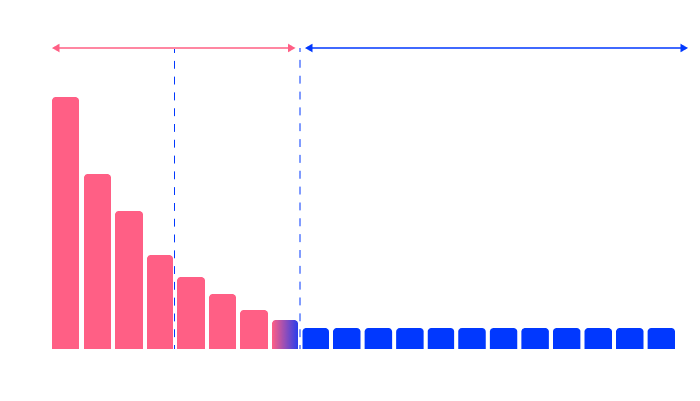
It doesn’t work when AI engines retrieve, interpret, and cite content before a user ever clicks. CMAX is an agentic SEO platform built to capture the 90% of search and AI demand sitting in the long tail, the thousands of specific, high-intent queries your competitors aren’t covering. Our agents deploy and continuously update content at a scale and speed manual teams can’t match, with results observed in as few as six weeks.
If your strategy doesn’t account for how generative engines source and surface answers, you’re optimising for a search landscape that’s already shifting beneath you.
Author
Jeremy Tang
Founder and CEO of CMAX
Jeremy Tang is the Founder and CEO of CMAX. With over 2 decades of experience in business consulting and digital marketing, he has successfully driven seven startup businesses, six of which achieved $1 million in revenue from zero in less than 16 months, 5 of which grew to multi-million dollar a year ventures without any external funding. Jeremy's expertise lies in streamlining business processes through technology and leveraging digital (in particular SEO) for business growth. He resides in Australia, travels extensively, and draws inspiration from his global experiences.