If two vendors have pitched you separate “AI visibility” retainers this quarter, you are not imagining the overlap.
Answer engine optimisation is not a new channel sitting beside SEO but rather describes how AI tools, Google AI Overviews and ChatGPT among them and pull answers from web pages. Those pages still need to be in Google’s index, which is Google’s library of pages it knows about, before any AI engine can cite them.
LLM SEO optimisation, another term you may have heard, becomes relevant the moment AI answers depend on indexed pages that clearly explain what a business does and where it operates. A vague services page like “Answer engine optimisation Brisbane” gives an AI system less to work with than a page that answers a specific Brisbane question directly
Before you sign another retainer, it is worth seeing how this connects to the SEO work you are already funding. A Brisbane SEO consultant reviewing your current programme will typically find the same gaps that undermine AI visibility as undermine traditional search.
Answer engine optimisation Brisbane helps local businesses get found in AI answers and AI Overviews
Answer engine optimisation is SEO shaped for AI retrieval. Generative engine optimisation services are built around the way AI tools summarise web content into direct answers, and for a Brisbane business that means pages must reflect Brisbane service areas and suburb-level relevance, not Sydney suburbs and not a generic national page.
Google has confirmed that the same SEO best practices apply to AI features including AI Overviews and AI Mode. A page must be eligible to appear in Google Search before it can surface as a supporting link in those AI experiences.
Effective answer engine optimisation services keep Google’s standard indexing requirements while improving how much useful information is available for AI to draw on.
Plain-English local answer pages
A page targeting “tax accountant Brisbane CBD” or “emergency electrician North Brisbane” gives an AI system a clearer match than a generic services page. The strongest pages open with the answer, then add who the service suits, what it covers, and where in Brisbane it applies.
What is answer engine optimisation in practical terms? It is writing pages that answer the question a Brisbane buyer is actually typing, then making sure Google can find and read them.
AEO complements SEO
Answer engine optimisation AEO does not replace SEO. AI engines retrieve from Google, and Google has to find your page first.
Google states there are no extra technical requirements to appear in AI Overviews or AI Mode beyond standard indexing eligibility. Strong technical SEO, clear page structure, and useful supporting content remain the foundation.
A thin or hard-to-crawl site gives AI features less to work with, even when the topic is directly relevant.
Brisbane visibility depends on content breadth, local signals, and fresh supporting evidence
Brisbane visibility improves when a site covers the specific ways people search, signals clearly which areas it serves, and keeps supporting pages current. AI search, like traditional AI SEO Brisbane work, rewards pages with enough local context to resolve a detailed local question.
Here is the concept that trips most businesses up. For topics where things change, recency matters as much as authority.
Picture a diner choosing a restaurant for tonight. They have a well-regarded food guide from 2020 and a blogger who ate at the same place yesterday.
Half the restaurants in that guide might be shut. The blogger wins, not because they are a better critic, but because they are current.
In this context, generative AI optimisation means that a newer, locally focused Brisbane page with fresher signals can outrank an older, more authoritative brand page in AI answer results, for queries where Brisbane buyers want current information.
That does not mean authority stops mattering. It means authority needs maintaining.
Being cited once does not protect you forever.
Local signals and schema
Suburb references, service-area detail, and location-specific examples help search engines recognise who you serve and where the service applies. AI SEO Brisbane work requires suburb and service-area signals that differ from those used for a Sydney campaign.
Google says LocalBusiness structured data, which means hidden labels in a page’s code that tell Google what things are, can communicate business details such as address, opening hours, and departments. Let the visible page copy carry the detail first.
The structured data supports it, and both need to match what a buyer would find if they called or visited.
Breadth, freshness, and connected pages
Content surface area is how many of the ways customers search you have a useful answer for. It matters because AI systems often run several smaller searches before forming a response to one prompt, a process called query fan-out.
A programme covering suburb variations, pricing concerns, and comparison intent gives GEO generative engine optimisation more useful supporting evidence than one isolated service page.
For sustained local coverage, fresh supporting pages and strong internal linking help Google keep discovering related content. A site covering the core service, common questions, suburb variations, pricing concerns, and comparison intent gives AI systems far more to work with than a site built around a single strong page.
A business that has never published a useful answer about a topic cannot earn search or AI visibility for that topic.
CMAX builds answer engine optimisation around long-tail coverage, freshness, and brand-safe content
CMAX treats answer engine optimisation as a scale and maintenance problem. A Brisbane SEO agency may map suburb and service-query coverage differently from a Melbourne adviser.
CMAX automates the approved programme across any CMS, which means Brisbane businesses whose customers search across thousands of service, suburb, urgency, and comparison queries get coverage at that scale. CMAX is the Agentic SEO Platform built for exactly that.
Long-tail coverage at scale
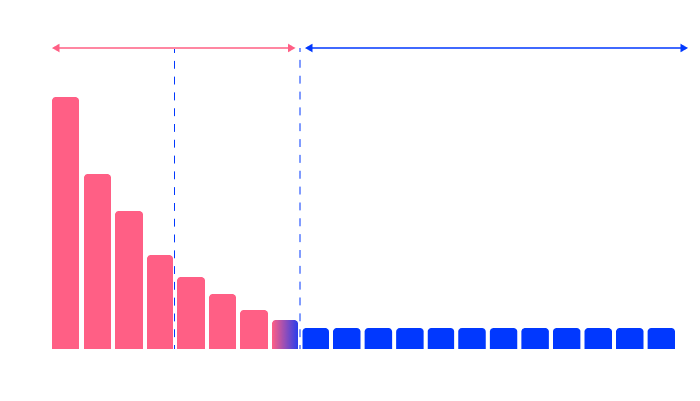
Over 90% of search and AI demand is in the long tail, where the specific searches live: suburb plus service, problem plus solution, buyer question plus urgency. That is where most queries happen, and it is the part most conventional programmes leave uncovered.
For LLM SEO optimisation, that means answer engine optimisation Brisbane is shaped around local services and Brisbane suburbs, not Melbourne locations another campaign might target.
Most SEO programmes run by conventional agencies, using outdated methods, tell clients to expect results in six months. CMAX’s methods allow clients to start seeing clicks in 6 to 8 weeks.
Brand-safe, continuously updated content
CMAX is trained on human-reviewed, client-approved content. Pages are refreshed when search behaviour shifts, when new services launch, or when performance data reveals a coverage gap.
As part of ongoing search engine optimisation, that refresh cycle is what keeps a Brisbane content cluster competitive against newer pages on the same topics.
Frequently Asked Questions
How can I check whether my Brisbane business appears in AI answers?
Start in Google Search Console, which is Google’s free tool showing which searches your site appears for. It now includes a generative AI performance report showing how answer engine optimisation Brisbane performs in AI Overviews and AI Mode, broken down by page, country, device, and date.
Then run your priority Brisbane service queries manually in incognito search and compare the pages you expected to appear with the pages that actually receive impressions. If a page is missing or showing for the wrong query, the usual cause is weak page relevance, thin supporting content, or unclear internal linking.
Why does AI sometimes give customers wrong information about my business?
An AI SEO agency Brisbane review should check for outdated opening hours, service areas, suburb references, or retired location pages. AI answers are undermined when business details are inconsistent across the web, when an old page is still indexed, or when the model pulls from a third-party source that is missing key context.
Google recommends keeping your Business Profile current and using structured data that matches the visible page content.
Do AI search answers send visitors to my website?
They can, though the pattern differs from traditional search because some informational queries resolve on the results page. Google has stated that clicks from pages with AI Overviews tend to be higher quality, with users spending more time on site.
Reports from Brisbane SEO experts should separate Brisbane impressions and enquiries from Melbourne activity rather than combining both into one visibility figure.
Answer engine optimisation Brisbane, built on local coverage
Answer engine optimisation Brisbane works best when it is treated as an extension of SEO, with clear pages that answer local buyer questions. CMAX ties that back to the real lever: coverage across the specific suburb, service, and buyer-question searches that AI systems retrieve from Google.
A generative engine optimisation agency focused on Brisbane pages and a Sydney provider will face different suburb-level coverage gaps. As the ways people search keep multiplying, effective AI engine optimisation depends on publishing more useful pages, keeping them current, and connecting them clearly for search and AI retrieval.
The same principle applies whether you are comparing notes with generative engine optimisation Perth campaigns or benchmarking against your own Sydney activity.
For a fuller picture of how these channels connect, the generative engine optimisation and AI engine optimisation pages set out the mechanics in plain terms.
The clearest way to see where your Brisbane coverage has gaps is to look at the data rather than guess. If you’re curious as to how you’re performing on AI, book in a Missing Customer Map review with our Growth Team.
Author
Jeremy Tang
Founder and CEO of CMAX
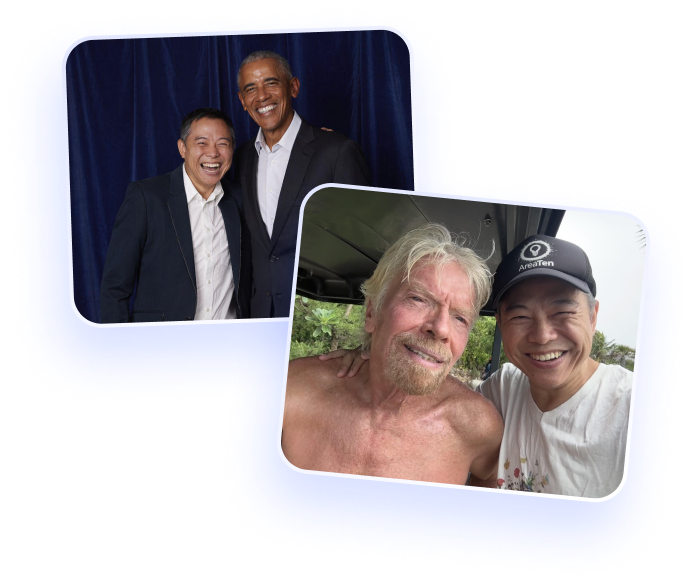
Jeremy Tang is the Founder and CEO of CMAX. With over 2 decades of experience in business consulting and digital marketing, he has successfully driven seven startup businesses, six of which achieved $1 million in revenue from zero in less than 16 months, 5 of which grew to multi-million dollar a year ventures without any external funding. Jeremy's expertise lies in streamlining business processes through technology and leveraging digital (in particular SEO) for business growth. He resides in Australia, travels extensively, and draws inspiration from his global experiences.