Perplexity AEO means improving your site’s chances of being retrieved and cited when someone asks Perplexity a question in your category. It is an extension of SEO, not a separate channel, and it has nothing to do with Perplexity the company.
The mechanics are the same as good SEO: pages Google can read, a clear answer to a specific question, and enough evidence on the page for an answer engine to quote with confidence.
Where most sites fall short is scale. Effective AI search optimisation requires answers across product, pricing, comparison and problem-solving questions, not isolated formatting changes on a handful of pages.
One category page can only answer so many of the specific ways customers search. Citation visibility depends on covering far more of those searches.
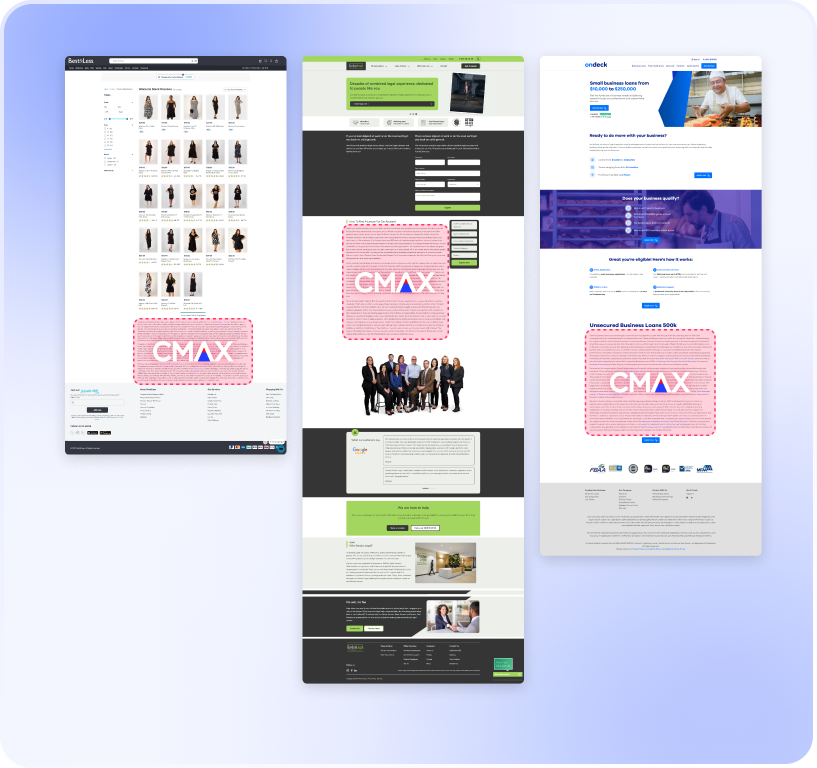
CMAX works on this problem for clients, expanding useful page coverage and refreshing it over time so more of a site stays eligible to be retrieved and cited.
Perplexity AEO Is About Being Retrievable, Not Just Readable
For CMAX, Perplexity aeo service is about improving a site’s eligibility to appear inside Perplexity answers. The basics still apply: crawlable pages, a clear answer to a narrow question, and enough evidence for an answer engine to quote with confidence.
Visibility Within Perplexity
Perplexity AEO refers specifically to visibility inside Perplexity’s answer experience. A Perplexity AI vs ChatGPT comparison should distinguish Perplexity citation visibility from the broader task of tracking pages retrieved for commercially relevant questions.
Teams often use “Perplexity” to mean AI search broadly, which shifts focus toward the wrong KPI: tracking brand mentions rather than pages retrieved for the queries that matter.
Make Pages Easy to Quote
Pages are more quotable when the first few lines answer one narrow question, the supporting section includes proof, and the wording is simple enough to lift into an answer without losing meaning. To optimise content for AI search, CMAX builds pages around one narrow question, a direct opening answer and supporting evidence.
Perplexity states that Perplexity-User may visit a web page to help provide an accurate answer and include a link in its response, so citation eligibility depends on both answer clarity and source backing.
Strong Perplexity AEO Depends on Breadth, Freshness and Answer Clarity
Here is where it pays to understand how Perplexity actually works. Picture a sommelier at a restaurant: a diner asks what wine goes with the fish, and the sommelier names a few bottles.
Nobody at that table orders a wine the sommelier didn’t mention. They never knew it existed.
Perplexity works the same way. It retrieves a handful of sources and builds an answer from them.
If your site isn’t among the sources it retrieves, you aren’t in the running for that query. In this context, what is answer engine optimisation comes down to making sure your pages are on the shortlist the AI pulls from, not just present somewhere on the internet.
An answer engine optimisation agency running AI search visibility optimisation for a client needs to work on breadth, not just page structure. One well-built page doesn’t cover the dozens of specific product, pricing, comparison and problem-solving questions buyers ask before they commit.
Breadth Beats Head Terms
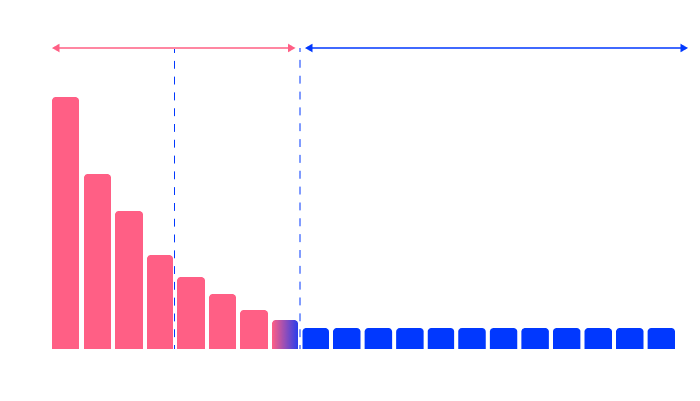
CMAX’s answer engine optimisation services target the long tail, the specific, detailed searches people type rather than broad category terms. Over 90% of search and AI demand is in the long tail.
Perplexity AEO is a coverage problem as much as a page-level task.
Why Formatting Alone Falls Short
Schema, the hidden labels in a page’s code that tell Google what things are, can help machines interpret a page, but Perplexity aeo still depends on the evidence and topical breadth a citation needs. Prompt tracking tools, which repeatedly ask AI engines questions and record whether your brand appears, can show direction, but they cannot tell you whether a page improved because the answer got clearer, the content was refreshed, or the site covered a wider set of searches.
The right AI search engine optimisation tools measure page retrieval across a range of queries, not just brand mentions in sampled answers. Formatting is hygiene.
Coverage is the work.
CMAX Connects Perplexity AEO to Measurable Search and AI Visibility
The practical question is whether more pages are being retrieved for the searches that matter, not whether a brand appeared once in an answer. CMAX connects answer engine optimisation services to measurable changes in page retrieval rather than relying on a single brand appearance.
CMAX ties that back to measurable search and AI visibility by focusing on long-tail coverage, continuous refresh, and tracking which pages gain or lose retrieval over time. An answer engine optimisation Australia agency using CMAX can connect continuous refresh with long-tail coverage and page-level performance data, rather than pointing at a brand mention and calling it a result.
CMAX Scales Long-Tail Coverage
CMAX targets the majority of search demand sitting in the long tail. Unlike prompt tracking, Perplexity aeo through CMAX expands long-tail coverage with Dynamic Internal Linking and Full Body SEO.
CMAX is trained on human-reviewed, client-approved content, and the agentic model refreshes pages continuously rather than publishing static templates and leaving them unchanged. Most SEO programmes run by conventional agencies, using outdated methods, tell clients to expect results in six months.
CMAX’s methods allow clients to start seeing clicks in 6 to 8 weeks.
Measure What Retrieval Actually Changes
Search Console, Google’s free tool showing which searches your site appears for, is the right starting point. From there, you can compare which pages are being cited, which topics are gaining retrieval, and whether refreshed pages are lifting visibility across both search and AI interfaces.
That is the data that connects to revenue, not a screenshot of a brand mention.
Frequently Asked Questions
What’s the Difference Between PerplexityBot and Perplexity-User?
Perplexity states that PerplexityBot is the crawler tied to search visibility, designed to surface and link websites in Perplexity search results. Perplexity-User is different: it activates when a live question triggers a page fetch, may visit that page to help provide an accurate answer, and can include a link to it in the response.
CMAX treats crawler-accessible, citation-ready coverage as Perplexity aeo when PerplexityBot can surface pages and Perplexity-User can fetch them for answers.
Does PerplexityBot Use My Website Content to Train AI Models?
No. Perplexity’s crawler documentation states PerplexityBot is not used to crawl content for AI foundation models, and content surfaced through Perplexity AI deep research should not be confused with foundation-model training. Perplexity-User is not used for web crawling or to collect content for training AI foundation models.
Does Blocking PerplexityBot Also Block Perplexity-User?
No. PerplexityBot and Perplexity-User are governed by independent controls in robots.txt. Perplexity states that Perplexity-User, because it is tied to a user-requested fetch, generally ignores robots.txt rules.
Whether you’re asking is Perplexity AI free or how to control which parts of your site each crawler can access, the two systems behave separately. Independent crawler controls and clear page answers make Perplexity aeo a practical part of CMAX’s wider search and AI visibility work.
What About Perplexity AI Pricing and API Access?
Perplexity AI pricing and Perplexity AI api access are product questions for Perplexity directly. From an AEO standpoint, what matters is whether your pages are retrievable and quotable when Perplexity processes a query in your category.
That is what CMAX focuses on.
Is Perplexity AI Free?
Perplexity offers a free tier. The answer engine optimisation platform question for your business is not which Perplexity plan your customers use.
It’s whether your pages are present and quotable when those customers ask Perplexity something in your category.
Perplexity AEO Needs Coverage More Than Formatting
Perplexity AEO works when your site gives clear answers across more of the specific searches buyers actually make. You can’t be cited for something you don’t cover.
CMAX is the Agentic SEO Platform, built around content surface area and freshness. It helps brands expand useful coverage across the long tail and keep that content current, because retrieval and citation visibility improve when more relevant pages are available, up to date and easy for answer engines to quote.
For teams assessing answer engine optimisation platform options, CMAX brings practical page coverage, ongoing refresh and content that stays ready to retrieve. If you also want to understand how similar principles apply beyond Perplexity, our Gemini aeo agency and Gemini aeo service pages cover the same ground for Google’s AI answers.
The simplest way to see where your site sits on AI retrieval is a diagnostic review, not a commitment to a programme.
If you’re curious as to how you’re performing on AI, book in a Missing Customer Map review with our Growth Team.
Author
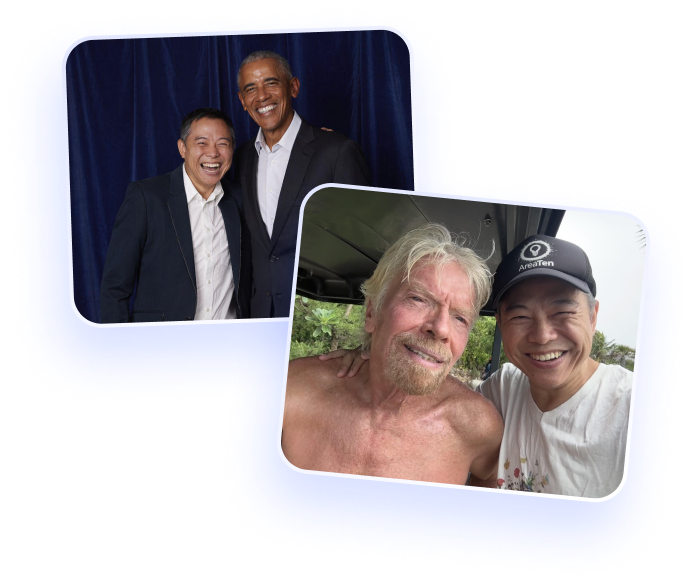
Jeremy Tang
Founder and CEO of CMAX
Jeremy Tang is the Founder and CEO of CMAX. With over 2 decades of experience in business consulting and digital marketing, he has successfully driven seven startup businesses, six of which achieved $1 million in revenue from zero in less than 16 months, 5 of which grew to multi-million dollar a year ventures without any external funding. Jeremy's expertise lies in streamlining business processes through technology and leveraging digital (in particular SEO) for business growth. He resides in Australia, travels extensively, and draws inspiration from his global experiences.