Most SEO reports track positions and sessions. Neither tells you whether a visit turned into a conversation your sales team could actually use.
SEO for lead generation is measured differently: by qualified enquiries, conversion path, and the quality of the pipeline organic search produces, not by position alone.
Plenty of material about SEO for lead generation and SEO and how it works stops at sessions and page position, because those are easy to show on a dashboard. The harder question is whether your pages match what buyers search right before they’re ready to talk to someone: pricing pages, comparisons, specific implementation questions.
One answer to what is lead generation in marketing is this: it is the process of connecting the right content to the right moment in a buyer’s decision, then measuring what happens next. Broad volume can look fine in a monthly report and contribute nothing to revenue.
Lead quality and the conversion path matter more than where a page sits in results.
CMAX publishes on exactly this problem, focusing on long-tail content and reporting that connects search activity back to enquiries and sales.
SEO brings qualified enquiries when it matches commercial intent
Done well, SEO for lead generation connects pricing, comparison and implementation pages with form fills, booked calls and sales-qualified conversations. Broad search terms inflate sessions without moving the pipeline.
The real test is whether organic visits turn into actions that match your qualification criteria.
In regulated sectors, SEO for medical practices must align useful pre-sales answers with approved claims and the actions that indicate a genuine patient enquiry. The same logic applies to any B2B lead generation strategy: use Search Console queries and Analytics lead actions to identify which pre-sales questions move prospects toward enquiry, then build content around those questions.
Answer buyer problems early
Pages that answer specific pre-sales questions can capture demand before a prospect speaks to sales, especially when the search shows a clear task, comparison or objection to resolve. Search Console records clicks, impressions, queries and pages.
Google Analytics shows what those visitors do next. Together, they let you connect search demand to lead actions and see which topics actually move people toward enquiry.
An inbound lead generation strategy becomes measurable when impressions, clicks and landing-page visits are connected with form fills, booked calls and pipeline.
Attract commercial-intent visits
Commercial-intent SEO focuses on searches that signal evaluation or purchase behaviour. That reduces visits from people who were never going to enquire.
Search Console click-through rate is clicks divided by impressions. Google recommends pairing that data with Analytics to see which search visits are most likely to contribute to conversions and pipeline.
CMAX focuses on the content coverage and signals that support lead quality
CMAX is the Agentic SEO Platform, built around content surface area: how many of the ways your buyers search you actually have a useful answer for. Search and AI visibility improve when a site covers more specific buying-stage topics, keeps them current, and connects them clearly.
For brands that need more qualified enquiries from the site they already have, the priority is coverage of commercial-intent searches. CMAX supports content marketing lead generation by expanding useful coverage across specific buying-stage topics on new and existing pages.
Across financial services, SEO for mortgage brokers illustrates how specific buying-stage questions create more valuable coverage than broad search topics. Content marketing B2B lead generation in that sector depends on approved answers to specific questions about pricing, comparisons and implementation.
Reach more long-tail buyers
Here is where most SEO strategies leave money on the table. Picture yourself as an eagle flying over the whole market.
Down below, every competitor is scrapping over the same patch of ground. A few high-volume keywords, all contested, expensive to win and mostly attracting browsers rather than buyers.
But the map is covered in food. Thousands of specific, lower-competition searches that buyers type when they’re close to a decision, and almost nobody is targeting them.
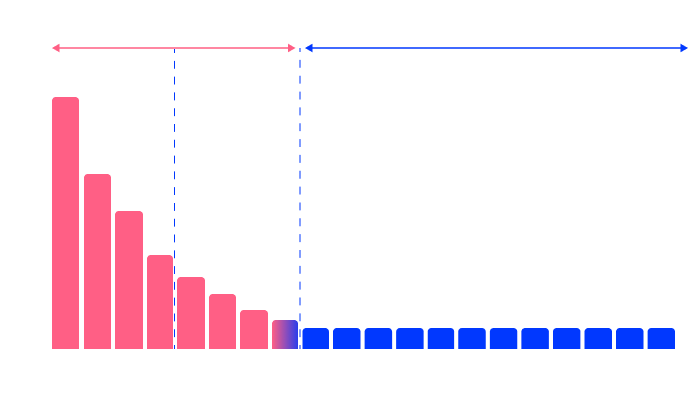
Where would you land? In this context, long-tail SEO means building coverage across the specific queries buyers type before they enquire, rather than fighting over the handful of head terms everyone else is already targeting.
Over 90% of search and AI demand is in the long tail. Across the eight to twelve searches triggered by a single AI question, lead generation SEO needs useful answers for specific buying-stage queries.
Dynamic Internal Linking can connect question-led coverage informed by people also ask SEO with relevant commercial pages, clarifying the topic cluster and creating a more direct route to enquiry.
Keep messaging brand-safe
CMAX distinguishes itself among SEO lead generation companies through approved brand inputs, controlled automation and consistent terminology across large content sets. CMAX is trained on human-reviewed, client-approved content.
For legal or compliance teams, that means published pages capture demand without drifting from approved product language or creating inconsistent wording across high-value pages.
The right measurement framework links SEO to pipeline, not position alone
Unlike position-only SEO, lead generation SEO tracks the full path from query to landing page to conversion event to lead review. Google states that Search Console is the source of truth for search performance and Google Analytics is the source of truth for behaviour on your site, which is why both are needed for lead-generation reporting.
Measure contribution beyond position
Search Console shows which queries and landing pages earned clicks. A scalable SEO platform paired with Analytics shows which sessions produced form submissions, calls or other lead events.
For teams comparing providers, including any lead generation agency Sydney-based or otherwise, pricing reviews should use Australian dollars, while CMAX provides implementation from its Australian base.
Prioritise the long-tail gap
The right commercial question is rarely about one head term. It is about missing coverage across dozens or hundreds of specific searches that influence enquiries and sales conversations.
CMAX measures missing high-intent coverage against revenue, an approach that separates it from B2B lead generation companies focused mainly on visit totals. A Free SEO Fast Track gives teams a practical starting point to see where high-intent topic coverage is thin and which missing pages may improve conversion-path visibility first.
Frequently Asked Questions (FAQ)
How long does it take to generate leads from SEO?
Pages need to be crawled, indexed and earn enough relevance to appear for the right searches, so growth starts gradually. Clients see first clicks in 6-8 weeks, with programmes maturing around month six.
The pace is shaped by existing site authority, how much buying-intent coverage is already live, how often pages are published and refreshed, and whether related pages are linked together through topical map SEO to build topic momentum. With lead generation for tradies, indexing service and problem pages comes before the first clicks.
How should you follow up with SEO leads?
A practical definition of SEO for lead generation is organic acquisition measured through page context, lead quality and the action completed after arrival. SEO leads typically arrive after researching a specific problem, so follow-up works best when it reflects the page or query that brought them in.
A visitor converting from a comparison or pricing page usually needs fast, context-aware follow-up: a scoped call, a technical answer or a direct route to the information they were already trying to validate.
Are SEO leads better than paid leads?
Judge the channel by lead quality, close rate and cost to acquire pipeline, not by assumptions about the source. Paid search creates demand quickly on a fixed set of terms.
SEO builds a more durable acquisition base across long-tail searches that would be expensive to buy individually, which matters most when the goal is sustainable enquiry growth. Over time, SEO for lead generation builds durable acquisition across detailed searches that would otherwise require separate paid-search bids.
SEO for Lead Generation Starts With Buying Intent Coverage
A strong demand generation strategy for lead generation in Australia starts with showing up for the specific searches buyers make before they enquire, not broad terms that pad out visit counts. Coverage for B2B lead generation websites and lead generation Australia more broadly should reflect Australian spelling and pricing, while equivalent pages in other markets need local language and currency.
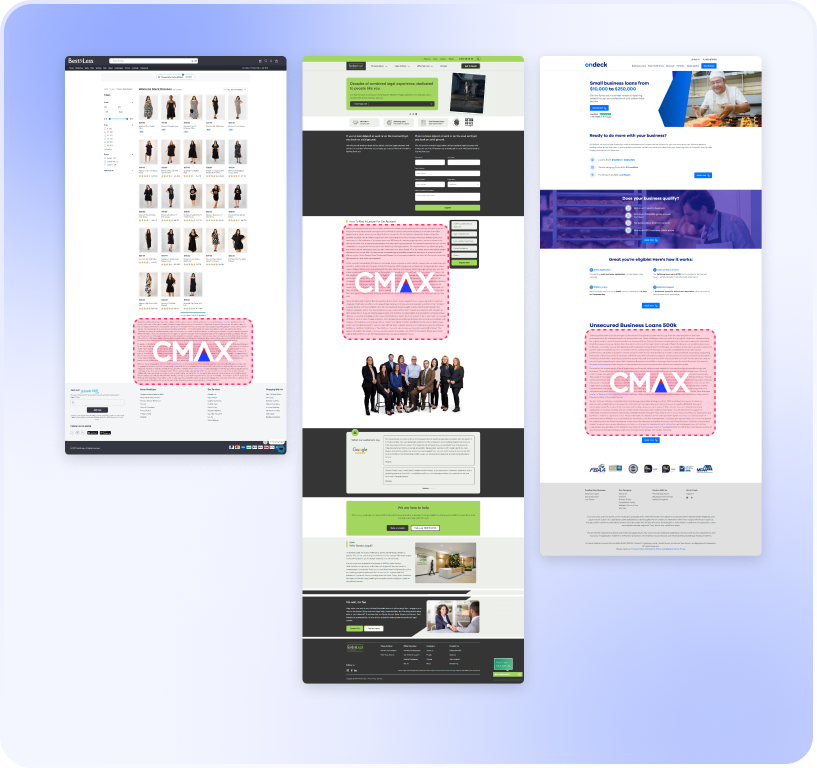
Nike holds the top spot for running shoes in the US, yet according to SEMrush it captures around 70,900 visitors a month from non-brand searches related to running shoes, out of more than 8.5 million monthly US searches in the category. That is under 1% of actual search demand, for the most dominant brand in the market.
Brands that sit at the very top on their most important terms rarely capture more than 5% of the organic search opportunity in their category. The gap is where CMAX operates.
Building topical authority SEO through useful long-tail answers gives Google and AI systems more reasons to surface your site. Understanding what is lead generation experience from a buyer’s perspective, and mapping a linkedin lead generation strategy to that same buying intent, both point to the same conclusion: coverage of specific, buying-stage queries is what connects search to sales.
Full Body SEO ties that visibility back to enquiries, lead quality and revenue. For teams that need sales impact from the website they already have, CMAX turns measurement and coverage into the next practical step.
Seeing where your highest-intent gaps sit is the obvious place to start, and the review is diagnostic, not a sales call.
If you’re curious as to how you’re performing on AI, book in a Missing Customer Map review with our Growth Team.
Author
Jeremy Tang
Founder and CEO of CMAX
Jeremy Tang is the Founder and CEO of CMAX. With over 2 decades of experience in business consulting and digital marketing, he has successfully driven seven startup businesses, six of which achieved $1 million in revenue from zero in less than 16 months, 5 of which grew to multi-million dollar a year ventures without any external funding. Jeremy's expertise lies in streamlining business processes through technology and leveraging digital (in particular SEO) for business growth. He resides in Australia, travels extensively, and draws inspiration from his global experiences.