Most pages described as SEO optimised have only ticked a few boxes: a keyword in the title, a meta description, maybe some internal links. But optimisation is an outcome, not a checklist. A page earns that label when search engines can find it, the content matches what someone actually searched for, and performance data confirms the page is doing its job. If you cannot point to that evidence, the label is premature. CMAX works with enterprise teams who need that kind of verifiable, measurable optimisation at scale.
SEO-optimised is an outcome, not a checklist.
What SEO-optimised actually means
A page is SEO optimised when four conditions are met simultaneously: search engines can crawl and index it, the format and copy match the query being searched, the information helps the visitor complete the next step they came for, and performance data shows progress against that page’s intended search objective.
That last condition is the one most audits skip. A page does not become optimised the moment it goes live with a target keyword in the title tag. It becomes optimised when evidence confirms it is working, impressions climbing, clicks following, visitors doing what the page was built to prompt them to do. The SEO optimisation meaning, at its core, ties back to this evidence-based standard rather than a static setup task.
Optimisation is a state you verify, not a status you assign.
To SEO define the concept properly, a page that is SEO optimised meets crawlability, intent match, and measurable outcome thresholds all at once. A clear grasp of search engine optimisation as a discipline focused on discoverability, relevance, and measurable outcomes reinforces this point.
Why keywords are not enough
Keywords signal topical relevance. They tell a search engine what a page is broadly about. What they do not do, on their own, is make a page useful.
A page that repeats its target term across every paragraph without clearly answering the query, resolving the searcher’s likely question, or helping the visitor move to the next useful action is not well optimised, it is keyword-present. Those are different things.
Before applying any optimisation tests to a page, it helps to revisit the SEO definition, the foundational SEO definition that frames “optimised” against crawlability, intent match, and outcome rather than keyword density alone.
Search engines have become precise enough to distinguish between a page that contains a term and a page that satisfies the intent behind it. A page that ranks briefly on keyword density alone will lose ground to one that answers the query directly, structures information for scanning, and gives the visitor a clear path forward.
An SEO-optimised page shows observable signals.
Signals you can observe early
Rankings and traffic are lagging indicators. The foundational work is already done, or already broken, before those numbers move. Earlier signals tell you whether a page is set up for search visibility before those numbers shift.
Crawl access comes first. If Googlebot cannot reach the page, nothing else matters. Index status confirms the page is eligible to appear in results. Internal links from topically related pages pass context and authority to the target page; without them, a page can be technically indexed but effectively invisible within the site’s own structure. A clear heading hierarchy signals to both crawlers and readers what the page covers and in what order. Copy that states the answer near the top reduces the risk that a searcher bounces before finding what they came for.
These early signals indicate a page is SEO optimised. They are checkable today, in Search Console and through a basic crawl audit, without waiting for a ranking to stabilise.
Why indexed pages still underperform
Index status is a prerequisite, not a result. A page can sit in Google’s index for months and earn almost no organic traffic when the underlying match to intent is weak.
Partial intent match is the most common cause. The page covers the topic but answers a slightly different question than the one the searcher typed. Thin or repetitive copy is the second. If the page restates the same point across multiple paragraphs without adding a clearer example, sharper distinction, or more direct answer, it gives searchers no reason to choose it over a competing result. Clicks follow differentiation, and differentiation has to be visible from the search results page itself. Those asking SEO what is SEO are approaching the same question from a foundational angle, and the observable signals that mark a page as SEO optimised, index status, intent match, and engagement, answer that curiosity directly.
The Five Tests of an SEO-Optimised Page Make Self-Audits More Reliable
The Five Optimisation Tests
A page should not be labelled SEO optimised simply because it contains the target keyword. A practical self-audit becomes more trustworthy when every page is checked against five separate tests, each tied to observable evidence.
Discoverable. Search engines can crawl the page, it is not blocked from indexing, and relevant site sections link to it. Tools such as SEO optimisation Google Search Console checks can confirm whether a page is being crawled and indexed correctly. A page with no internal links pointing to it is effectively orphaned, regardless of how well the copy is written.
Intent-matched. The headline, opening copy, and content format answer the actual query type. An explanation query needs a direct definition up front. A comparison query needs structured contrast. A location or product-specific query needs copy that reflects that specificity. Format and framing carry as much weight as the words themselves.
Information gain. The page contributes something a vague competing page does not: a clearer example, a sharper distinction, a more direct comparison, or a use case grounded in a real scenario. Generic copy that restates what every other result already says gives searchers no reason to stay.
User experience. Visitors can scan the structure quickly, identify what the page covers, and reach the next step without confusion, visual clutter, or unnecessary friction. CMS-level factors such as SEO optimisation wordpress configurations affect crawl access and page structure, which in turn shape how easily visitors can find and read content. A page that answers the query but buries the answer fails this test.
Measurable outcome. Impressions, clicks, engagement, or conversions move in the direction the page was created to influence. This test is covered in detail in Section 4.
Each test is checked against evidence, not a single optimisation score that can pass while individual failures stay hidden.
The phrase search engine optimisation what is reflects a common entry-level query, and the five-test self-audit framework for SEO-optimised pages is precisely the kind of structured answer that resolves it with observable evidence.
The page shows measurable outcome, meaning impressions, clicks, engagement, or conversions move in the direction the page was created to influence, not just that it exists in the index.
Evidence that makes audits credible
A page sitting in the index is a starting condition, not a result. The audit becomes credible when each test is tied to a specific data point rather than a composite score.
A single optimisation score collapses crawlability, relevance, engagement, and conversion behaviour into one number. That compression hides which element is working and which is failing. A page can score well and still earn no clicks because the title mismatches intent. It can earn clicks and still convert nothing because the copy buries the answer. Experienced SEO services providers can break that composite score into its individual components and trace each one back to a cause.
Checking against discrete evidence changes that. Index status confirms the page is eligible to appear. Query impressions in Search Console show whether it surfaces for the searches it was built to target. Click patterns reveal whether the title and meta description give searchers a reason to choose it. On-page engagement, time on page, scroll depth, or next-step actions, shows whether visitors find what they came for. Conversion behaviour ties the page back to the business objective it was created to serve.
SEO optimisation companies often measure progress by tracking these discrete data points over time rather than relying on a single dashboard metric. Each data point answers a different question. Together they show where the page is performing and where it is losing searchers before the goal is reached. That is the standard an audit needs to meet: observable movement across each dimension, checked separately, against the page’s intended search objective.
Evidence Shows Whether Optimisation Has Been Achieved
What a Before-and-After Improvement Looks Like
A vague service page typically earns few impressions because it targets a broad intent without committing to a specific query. For businesses pursuing SEO Australia strategies, the before-and-after pattern holds consistently. When the target intent is narrowed, the headline and subheadings are rewritten to reflect the actual search, internal links from closely related pages are added, and the copy answers the query earlier with less filler, Search Console data tends to respond. Impressions climb first as the page begins appearing for more specific queries. Clicks follow when the title and meta description match what the searcher expected to find. That sequence, crawl access to indexing to impressions to clicks, is the observable chain that confirms optimisation is working.
Tracking whether a page is genuinely SEO optimised becomes clearer when you know what search engine optimisation means in practice, specifically, that it is confirmed by impressions, clicks, and conversion movement rather than a tool score.
Client Proof Point
Scale accelerates that dynamic. In one CMAX engagement, a B2B omnichannel hospitality retailer added 5,000 long-tail product pages and reached $1M+/month in incremental SEO revenue within 8 months. The mechanism was coverage: thousands of specific searches that previously returned no relevant landing page were matched to purpose-built pages. Teams managing SEO in Sydney have observed similar improvements when intent is narrowed at this scale. At enterprise scale, when a large portion of catalogue-level queries are unaddressed, broader query coverage and more precisely matched landing pages can move organic performance materially. The proof sits in revenue attribution, not a platform score. The revised page was demonstrably SEO optimised by every measurable standard.
AI-assisted content can support optimisation when quality controls are clear.
When AI-assisted content helps
AI-assisted pages can support SEO optimisation when three conditions hold: the page adds original utility for the specific query it targets, the phrasing stays distinct enough from similar pages on the same site to avoid near-duplicate content, and every page goes through editorial review for factual accuracy, brand fit, and intent match before it publishes.[1]
Without those controls, scale works against you. A catalogue of pages that repeat the same structure with minor variable swaps can suppress each other in search, dilute topical authority, and give searchers no clearer reason to click than a competing result. The mechanism that makes AI-assisted content competitive is the same one that makes any page competitive: it has to answer a specific query better than what already ranks.
Practitioners are increasingly examining how AI search changes the way pages are discovered, ranked, and evaluated for relevance.
The practical takeaway
A page is only SEO-optimised when evidence shows searchers can find it, choose it from the results page, and use it for the purpose the page was built to serve. That standard applies regardless of how the content was produced. Impressions confirm discoverability. Clicks confirm the headline and meta description earn the visit. On-page engagement and conversion behaviour confirm the content delivers on what the result promised. When those signals move in the right direction, optimisation has been achieved. When they don’t, the page needs revision, not a higher keyword count.
Frequently Asked Questions (FAQ)
How do you check if content is SEO optimised?
A page is SEO optimised when evidence confirms discoverability, relevance, and outcome. Start with index status: if the page isn’t indexed, nothing else matters. From there, check whether it earns impressions in Search Console for the queries it was built to target. Then read the headline and opening copy against the actual search query, if they don’t match intent, clicks will stay low regardless of rankings. Finally, look at on-page engagement and conversion behaviour. A page that ranks but doesn’t hold attention or prompt action hasn’t been optimised for its real purpose.
How to check if your website is SEO optimised?
Audit at two levels. At the page level, check intent match, content depth, and whether the copy answers specific queries clearly. At the system level, check crawl access, index coverage, internal linking across key templates, and whether organic traffic is actually reaching the pages tied to business outcomes. A site can pass a tool score and still have critical pages orphaned, thin, or misaligned with what searchers are looking for.
Readers who search to define search engine optimisation using American spelling are looking for the same concept as SEO optimised, a page that is discoverable, intent-matched, and measurably improving against its search objective.
What are some effective methods for making a website SEO friendly?
Make important pages easy to crawl. Use descriptive headings that reflect the query, not internal terminology. Link related pages together so authority and context flow across the site. Write content that answers specific searches directly, and remove thin or repetitive copy that adds no new value over what already exists in the index.
If SEO is done correctly, how long does it take to rank?
There’s no fixed timeline. Speed depends on crawl frequency, site authority, competition, and query type. Watching for earlier signals, indexing, impressions, new query coverage, gives a more reliable read on whether optimisation is working than waiting for stable rankings that may take months to materialise.
Will AI content rank highly on search?
AI-assisted content can rank when it’s genuinely useful, factually accurate, distinct from near-duplicate pages, and tightly matched to search intent.[1] Automation alone doesn’t make a page competitive. If the output is generic or interchangeable with dozens of similar pages already in the index, it won’t hold a position worth having.
Most SEO Stops at 10% of the Opportunity
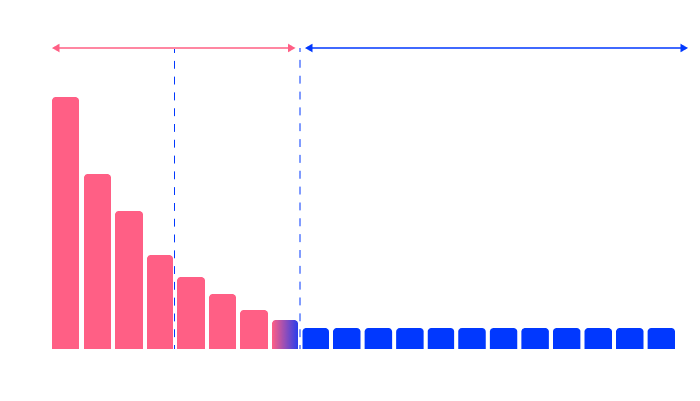
CMAX is an agentic SEO platform built to capture long-tail search traffic, the 90% of demand most businesses never reach.
Our AI agents deploy and continuously update content targeting thousands of keyword variations, covering the specific ways your customers actually search. Two lines of code connect CMAX to your site. From there, every new page works like another node in a growing network: more content, more coverage, more organic traffic. Teams start seeing measurable movement within six weeks.
If you’re evaluating what it takes to be truly SEO optimised at scale, CMAX is how enterprises close the gap between strategy and results.
References [1] – https://developers.google.com/search/docs/fundamentals/creating-helpful-content
Author
Jeremy Tang
Founder and CEO of CMAX
Jeremy Tang is the Founder and CEO of CMAX. With over 2 decades of experience in business consulting and digital marketing, he has successfully driven seven startup businesses, six of which achieved $1 million in revenue from zero in less than 16 months, 5 of which grew to multi-million dollar a year ventures without any external funding. Jeremy's expertise lies in streamlining business processes through technology and leveraging digital (in particular SEO) for business growth. He resides in Australia, travels extensively, and draws inspiration from his global experiences.