SEO stands for search engine optimisation but the SEO definition that matters to a business is shorter: you make your pages easy for Google to find and judge as useful when someone is searching.
Good search engine optimisation replaces keyword stuffing with useful answers to specific questions, such as how to choose a modular sofa for a small apartment.
For a homewares retailer, that means showing up for the searches customers type just before they buy, like “best modular sofa for small apartment,”and not only “sofa.” Broad terms rarely move revenue the way wide coverage of specific terms does.
Most monthly reports play that down, and it’s the first thing to check in yours. If you want the basics first, our guide to search engine optimisation what is covers them.
Our explainers cover the fundamentals first, then the newer questions, such as what is AI SEO and how automated systems affect search and AI visibility.
SEO makes your pages easier to find, understand and trust in search
SEO means improving your website so it appears when people search for what you sell. What SEO means for a retailer is demand capture.
You give Google pages it can find, read and judge as useful while a buyer is already looking. The buyer arrives with intent, and you don’t pay for each click.
Match demand with useful content
Start with one question: what are customers typing before they buy? The answer to what are SEO keywords begins there.
They’re the phrases, like “washable rug for kids room,” that connect your content to specific demand.
Google has said 15% of searches it sees every day are entirely new, so a fixed list of obvious terms will always leave gaps. You can’t rank for demand you don’t cover.
Even an awkwardly phrased query like SEO services what is deserves a clear answer on content, measurement and implementation.
Make pages crawlable and measurable
Useful content only helps if Google can find it. Answering what does SEO do starts with crawlable links, because Google finds most pages through links from pages it has already seen.
Link every page from somewhere sensible, place it in a clear structure and give it a plain title and heading that match what it answers.
Search Console is Google’s free tool that shows which searches your site appears for. Start there.
Check impressions, clicks, average position and indexing issues before you decide what is or isn’t working.
SEO works when you cover more of the long tail than your competitors do
The commercial answer behind marketing what is SEO is simple: be present for the thousands of specific searches customers run before they choose a brand. Here, SEO what is SEO becomes a coverage question.
How many of those searches do you answer?
Win more of the long tail
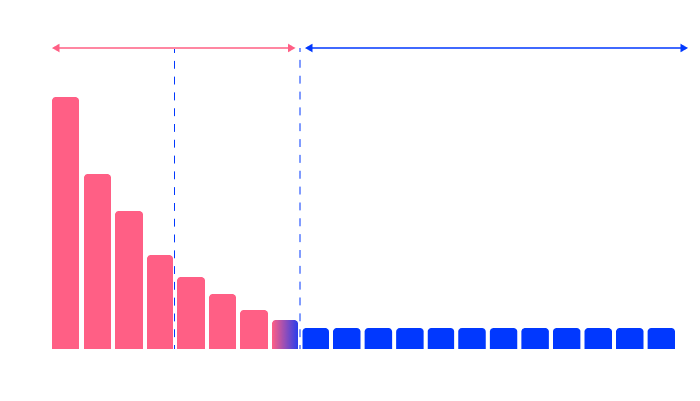
If you’re asking “What is SEO?” and how it works, start with this. Over 90% of search and AI demand is in the long tail.
These are the specific, detailed queries people type. The short category terms everyone bids on are a small slice.
Imagine you’re hosting a dinner party and you cook one dish, the crowd favourite. Most guests arrive with a specific need: a nut allergy, a vegetarian diet, a toddler who eats only pasta.
The one dish feeds a few people, and the rest go hungry. So you cook for your needs.
In this context, long-tail coverage means having a dish ready for each specific need, which for you is a page ready for each specific search.
AI search works the same way. When a customer asks an AI assistant for “durable dining chairs for a coastal rental property”, AI engines retrieve from Google.
The assistant runs several smaller searches on materials, use cases, comparisons and care, then builds its answer from what ranks. GEO and AEO draw on the same source: pages that exist, rank and answer clearly.
How CMAX approaches coverage
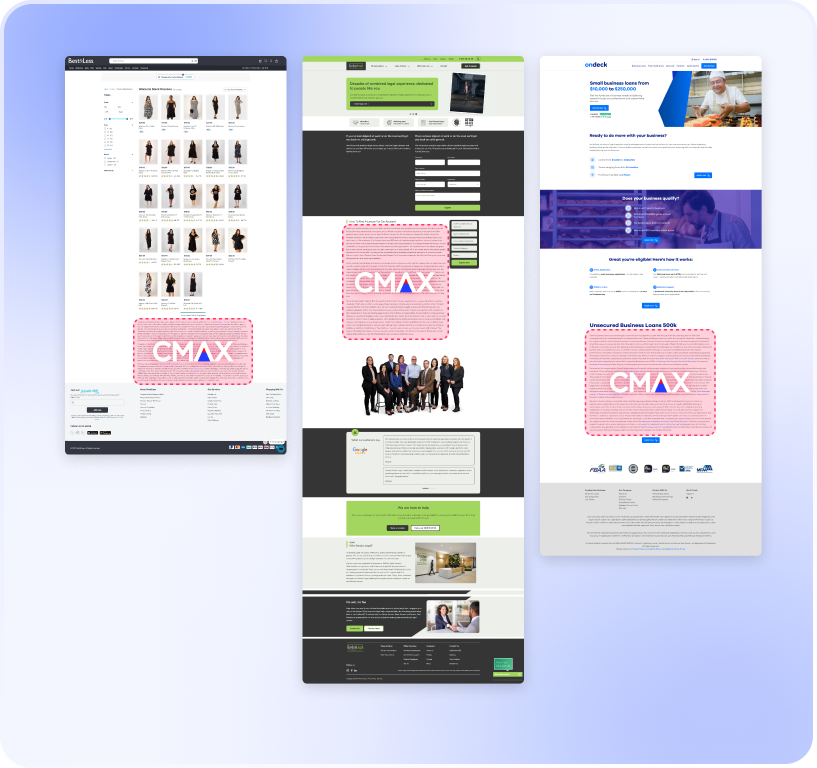
CMAX is the Agentic SEO Platform, built around content surface area. Each search engine optimisation strategy comes down to how many of the ways customers search you have a useful answer for.
Search engine optimisation strategies that stop after one publishing run leave the gaps open.
CMAX targets that long-tail demand with Dynamic Internal Linking and Full Body SEO. Creating pages is easy.
Putting accurate, connected content on them at scale is the hard part. CMAX is trained on human-reviewed, client-approved content, so coverage scales and stays current without falling back on templates.
Good SEO stays current because content and competition keep changing
Any answer to how long does SEO take to work has to allow for change, because a page that ranks today can slip tomorrow. Competitors publish new pages and product ranges shift.
Customer language moves too. Teams go from asking what is aeo to expecting content that search engines can retrieve clearly, while Google keeps surfacing searches that didn’t exist last month.
If you’re new to the topic, our page on search engine optimisation what is is a plain starting point. Content momentum drives search performance.
Timelines depend on the method
Anyone typing search engine optimisation what is usually wants a timeline too. The honest answer depends on the site, its competition and the method, so treat any blanket promise with care.
A large retailer with thousands of products, weak internal links and thin category copy has a different path from a focused site with strong authority and clear product pages. Unlike paid placement, SEO builds organic visibility that keeps working after the budget line ends.
Most SEO programmes run by conventional agencies, using outdated methods, tell clients to expect results in six months. CMAX’s methods allow clients to start seeing clicks in 6 to 8 weeks.
The approach ships broader long-tail coverage faster, connects it properly, then uses performance data to improve what’s already live.
Keep content fresh and connected
Pages go stale. Nobody sends a reminder.
Is SEO important after launch? It is, because a category page with old product language stops matching current demand.
A guide can also stop matching how customers now phrase the problem. Google reads a site more often when its pages are fresher and better connected, which gives it more reason to re-evaluate what those pages deserve to rank for.
Internal links build that context. Google says links are a great way to connect users and search engines to other parts of a site, so connected pages are easier to discover and easier to rank.
Frequently Asked Questions (FAQ)
What’s the difference between SEO and paid search?
SEO earns visibility in organic results. Paid search buys placement in labelled ad slots for chosen keywords, audiences and budgets.
Local searches add one layer. How does local SEO work?
Google weighs relevance, location and the information available about a business. For a retailer with stores, SEO local SEO work means accurate business details and useful pages for each area you serve.
A practical approach: use paid search to test demand, then build SEO around the recurring queries that show commercial intent. Useful pages keep earning clicks after a paid-search budget stops.
Do Google Ads affect organic results?
Google states that no one can buy better placement in organic results, and advertisers receive no boost in position. Ads and SEO are separate systems.
Ad data still helps. Teams planning aeo SEO can see which queries convert and which offers get attention, then give those landing page claims stronger organic coverage.
How do zero-click searches impact SEO?
Zero-click searches happen when the results page answers enough of the question that the searcher doesn’t click. Simple definitions may earn impressions without many clicks.
Deeper searches still need detail, comparison, proof, pricing context or a next step.
Pricing is a good example. An answer to how much does SEO cost Australia should use Australian dollars, because US pricing is quoted in US dollars and the two aren’t comparable.
Track impressions, clicks and query mix in Search Console, then build content for the questions where the buyer still needs help deciding.
Long Tail Coverage Explains SEO What Is SEO
For CMAX, “SEO what is SEO?” starts with a business point: you can’t show up for searches you don’t cover. Strong SEO gives Google useful, connected pages for the many specific ways customers search before they buy.
That’s why we apply search intent SEO to expanding content surface area and keeping that coverage fresh as demand changes. As the Agentic SEO Platform, CMAX helps brands scale long-tail coverage across search and AI, then keeps that content updated and internally connected so visibility grows with demand.
Scope sets the budget. How much does search engine optimisation cost?
It depends on the coverage, freshness and internal linking needed to capture your demand.
You can’t fix coverage you haven’t measured. A review is the plainest way to see where the gaps are.
If you’re curious as to how you’re performing on AI, book in a Missing Customer Map review with our Growth Team.
Author
Jeremy Tang
Founder and CEO of CMAX
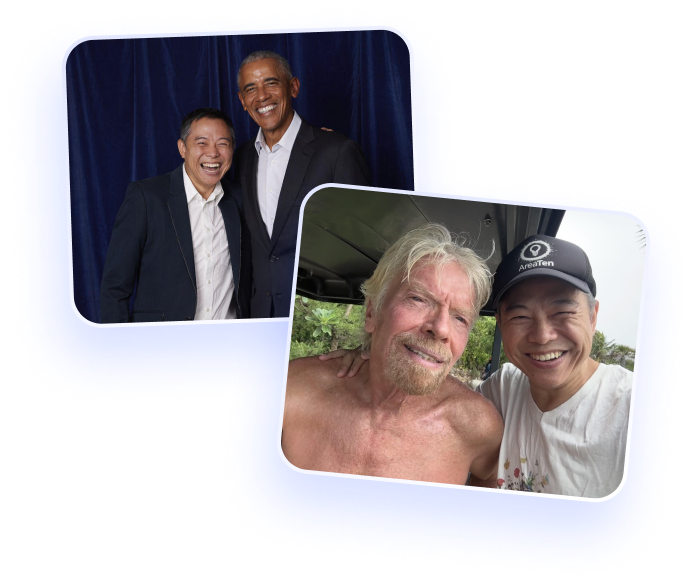
Jeremy Tang is the Founder and CEO of CMAX. With over 2 decades of experience in business consulting and digital marketing, he has successfully driven seven startup businesses, six of which achieved $1 million in revenue from zero in less than 16 months, 5 of which grew to multi-million dollar a year ventures without any external funding. Jeremy's expertise lies in streamlining business processes through technology and leveraging digital (in particular SEO) for business growth. He resides in Australia, travels extensively, and draws inspiration from his global experiences.