Answer engine optimisation services get your brand appearing in AI answer engines and inside Google’s AI-led results, alongside the traditional search listings. That matters now because ChatGPT and Google’s AI features pull answers from the same pool of indexed pages your site already competes in.
If your content is unclear, outdated or thin, AI systems skip it.
For Australian businesses chasing commercial, local or high-consideration searches, answer engine optimisation Australia is not a separate channel to bolt on. It works alongside the SEO foundations you already have.
Understanding what is search engine optimisation, and how it connects to answer engine optimisation aeo, is the starting point for seeing why both matter to your visibility.
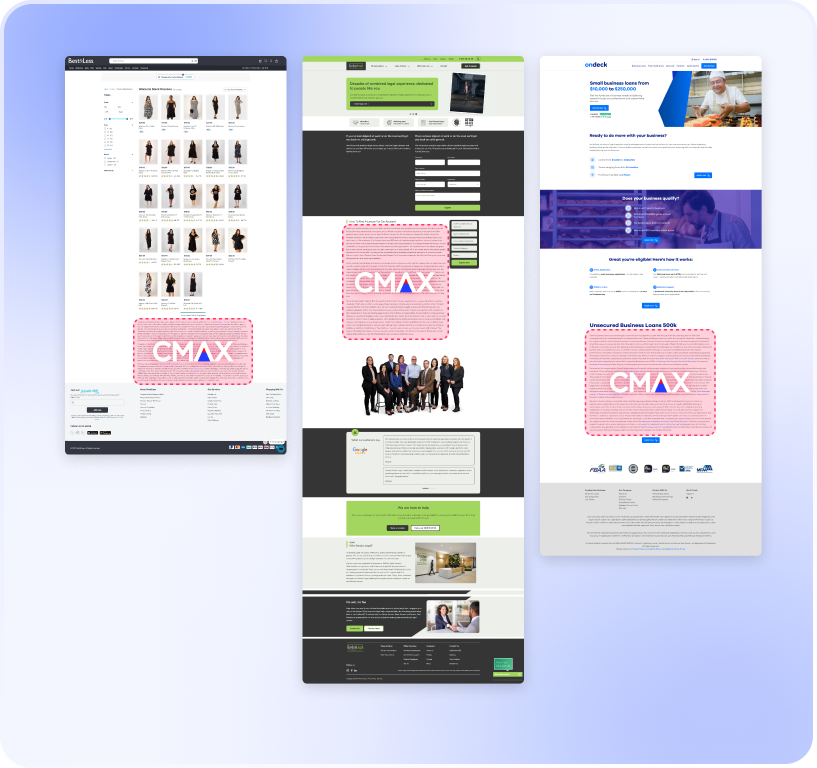
CMAX, the Agentic SEO Platform, builds Australia-focused coverage by targeting the long-tail questions buyers actually ask, and keeping that content current as demand shifts.
AEO Services in Australia Help Your Brand Appear in AI Answer Engines and Google Answer Experiences
Improve Answer Selection Signals
Think of AI answer selection like a reference librarian fielding a question. The librarian reaches for the book that answers the question precisely, is written in plain language, and was updated recently enough to still be reliable.
A dense, vague or dusty volume stays on the shelf. Your pages work the same way: clear, specific and current gets cited; everything else gets passed over.
That is the core logic behind AI search visibility optimisation, and it is why answer engine optimisation services focus on those three qualities before anything else.
Your pages answer a narrow question clearly, use plain language the model can quote, and stay current enough for Google to keep them in its index. Google states that a page must be indexed and eligible to appear in Google Search to be shown as a supporting link in AI Overviews or AI Mode.
Working with an answer engine optimisation consultant or an answer engine optimisation agency can help you identify which pages already meet these criteria and which ones need work.
Best for Australian Visibility Goals
AEO services Australia suit businesses that need stronger coverage across commercial, local and high-consideration searches, particularly when buyers ask detailed questions before contacting sales or requesting a quote. Search engine optimisation Australia carries specific weight for sectors handling personal information or compliance-sensitive content, because the Australian Privacy Principles govern how that information is collected, used and disclosed.
AEO Works Best When It Complements SEO, Not When It Replaces It
SEO Foundations Still Matter
Google states that best practices for SEO remain relevant for its AI features, and that no additional requirements or special optimisations are needed to appear in AI Overviews or AI Mode. AI engines retrieve from Google, so the pages that already earn search visibility, load cleanly, use internal links well and cover a topic in enough depth are the ones most likely to appear in answer experiences.
In this context, aeo marketing means finding the queries nobody has answered well yet and putting genuinely useful content there first. One caveat: a query is only worth targeting if people actually search it.
A gap in the market is not always an opportunity; sometimes it is just a gap.
No Single AEO Tactic Wins
Schema can help search systems understand entities, but Google says no special schema is required for AI features, and structured data must match the visible text on the page. Answer visibility depends on content surface area (how many of the ways customers search you have a useful answer for), freshness, crawlable structure and technical basics all working together.
No single tactic carries the others. The right AI search engine optimisation tools help you see which of these factors are holding your site back, so you can address them in order.
CMAX Builds Australia-Focused AEO Support Around Coverage, Freshness and Measurement
Coverage, Freshness and Internal Linking
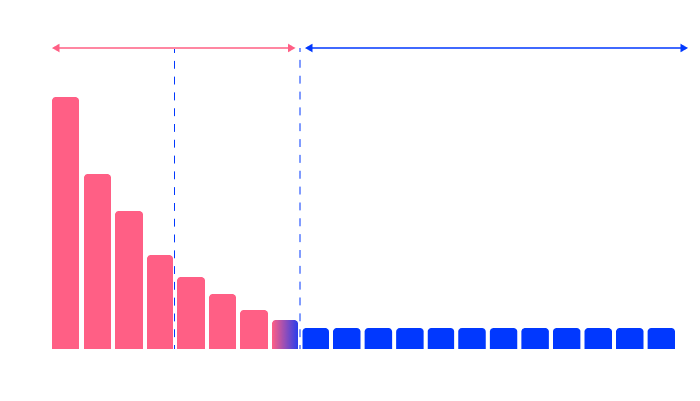
CMAX is the Agentic SEO Platform, and CMAX is trained on human-reviewed, client-approved content, so brands scale without handing over control of tone, claims or compliance sign-off. More than nine in ten searches and AI queries sit in the long tail, meaning the specific, detailed searches buyers actually type.
As an answer engine optimisation platform, CMAX targets that long-tail demand with content that expands coverage, applies Dynamic Internal Linking, and stays current as demand shifts and new questions appear. The goal is to optimise content for AI search at the scale a single content team cannot match manually, with AI search visibility optimisation built into the process from the start rather than added as an afterthought.
Most SEO programmes run by conventional agencies, using outdated methods, tell clients to expect results in six months. CMAX’s methods allow clients to start seeing clicks in 6 to 8 weeks.
Review the Long-Tail Gap
A short review of Search Console (Google’s free tool showing which searches your site appears for), your analytics and existing content reveals which pages already earn visibility and which high-intent topics still lack a useful answer. Google’s generative AI performance report in Search Console shows how your site performs in AI Overviews and AI Mode, with impression data broken down by page, country, date and device.
That data tells you where the gaps are before you spend anything closing them.
Frequently Asked Questions
How Long Does It Take to See Results from AEO?
Timelines depend on your site, its competition and how the work is done. Most SEO programmes run by conventional agencies, using outdated methods, tell clients to expect results in six months.
CMAX’s methods allow clients to start seeing clicks in 6 to 8 weeks.
Does Appearing Higher in Search Guarantee an AI Overview Citation?
Stronger search visibility supports citation but does not guarantee it in an AI Overview. Google says its AI features choose supporting links based on relevance to the response.
AI Mode uses query fan-out, which means an AI tool runs several smaller Google searches and builds its answer from what it finds across those results. Visibility depends on how well your content covers the specific angles being retrieved, not just whether you appear prominently for the head term.
How Can I Correct Inaccurate AI Answers About My Business?
Start by correcting the source pages Google can crawl: your core service pages, key entity details and any inconsistencies between page copy and structured data. Google’s help documentation also lets users report an AI Overview as inaccurate through its feedback controls, and submitted feedback includes the most recent query and its search results.
AEO Services in Australia, Built on SEO Coverage
What is answer engine optimisation is a fair question, and the short answer is this: aeo means making your content the thing AI systems and Google retrieve when a buyer asks a specific question. It works through the same index aeo has always relied on, which is Google’s library of the pages it knows about.
The brands that show up more often in AI answers are the ones with broader, fresher content on the questions buyers actually ask. Answer engine optimisation services exist to close that gap systematically, with AI search visibility optimisation built into the ongoing content process rather than treated as a one-time fix.
CMAX is the Agentic SEO Platform, built around growing that content surface area with useful pages, Full Body SEO, and ongoing updates as demand shifts. The work does not stop the moment spending stops, because the content keeps earning visibility once it is live.
Over 90% of search and AI demand sits in the long tail, and that is where the platform focuses.
The simplest way to see where your site could earn more visibility is to look at the data before deciding anything.
If you’re curious as to how you’re performing on AI, book in a Missing Customer Map review with our Growth Team.
Author
Jeremy Tang
Founder and CEO of CMAX
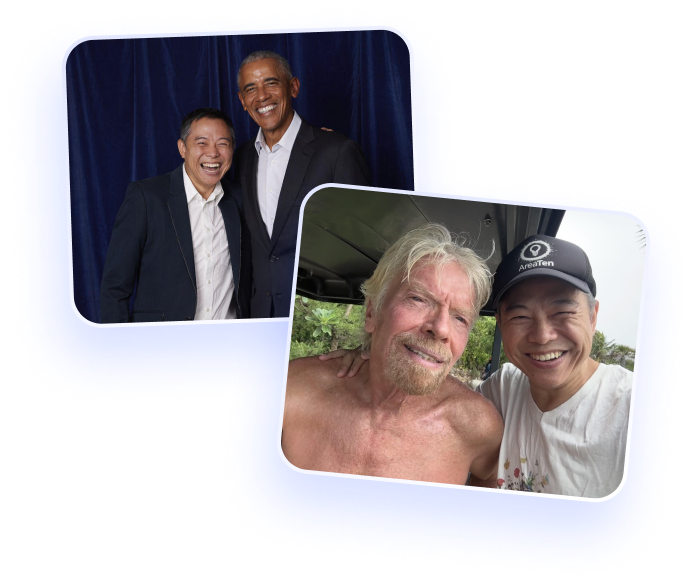
Jeremy Tang is the Founder and CEO of CMAX. With over 2 decades of experience in business consulting and digital marketing, he has successfully driven seven startup businesses, six of which achieved $1 million in revenue from zero in less than 16 months, 5 of which grew to multi-million dollar a year ventures without any external funding. Jeremy's expertise lies in streamlining business processes through technology and leveraging digital (in particular SEO) for business growth. He resides in Australia, travels extensively, and draws inspiration from his global experiences.