Many SEO services call a page optimised once the keyword sits in the title and appears a few times in the copy. Good website optimisation services check whether Google can crawl the page and whether a visitor acts on it.
A page is SEO optimised when Google can find it and read its purpose, and a buyer who lands on it knows what to do next within seconds.
Keywords alone don’t do that work. Sound keyword optimisation supports the page’s real question, and impressions, clicks and visitor action show whether it worked.
A filled-in metadata field proves that someone filled in a metadata field.
CMAX publishes its own breakdown of what separates a genuinely optimised page from one that just looks the part. Read it before you judge your own site.
If you’re comparing an SEO company, ask how it measures page performance.
What “SEO Optimised” Really Means
Crawlable, clear, intent-matched
Google has to crawl your page, add it to its index and recognise what search problem it answers. The index is the list of pages Google can show.
Then the buyer test applies: can someone land on the page, see the answer within seconds, and know the next useful action without decoding vague copy? Every on page SEO process should run that test, and the on page SEO steps that follow only matter if the page passes it.
For SEO optimisation Australia, the technical standards are the same in every city. Local priorities differ.
If you run a local business, the priorities behind SEO services Hobart can differ from those in Sydney.
Keywords alone are not optimisation
A page can carry the target keyword in the title, H1, metadata and first paragraph and still fail if it doesn’t answer the real question behind the search. A practical on page SEO analysis checks those four places against the question the page must answer.
Keyword search optimisation starts with the question behind the term. Even SEO content writing for beginners starts with what the reader is asking.
Think of a cafe with a sign over the door that says “Best flat white in Sydney”. You walk in, the machine is off and nobody takes your order, so you leave.
In this context, the keyword means the sign over the door, and an SEO optimised page means the coffee gets made and the order gets taken once the buyer walks in.
Google doesn’t guarantee that every page gets crawled, indexed or served. So measure optimisation by impressions, clicks and useful visitor behaviour.
SEO Now Has to Work Across Search and AI Visibility
SEO, AEO and GEO work together
AEO and GEO don’t replace SEO. For AI Overviews and conventional results alike, a page is SEO optimised when search systems can retrieve, interpret and trust its answer.
Search systems read language, which is the territory of nlp SEO. Effective AI website optimisation begins with indexed pages that answer a specific question clearly enough to be retrieved and trusted.
If a brand has no useful page for a question, it won’t be part of the answer, whether the interface is a search result, an AI Overview or another AI tool.
Performance compounds with usefulness
Strong pages keep earning attention because they match search intent and stay current as the market shifts. They also point visitors to the next relevant page.
Evidence for SEO optimisation Google comes from Search Console data on impressions, clicks, queries and landing pages. A completed checklist is not evidence.
A page stays SEO optimised when that data guides useful revisions and stronger internal connections. Google recommends using Search Console and Google Analytics together when you attribute on-site outcomes to organic search.
Scaling this across many pages, as programmatic SEO does, only works when each page answers its own question.
Frequently Asked Questions (FAQ)
How long do SEO changes take to show results?
On SEO optimisation WordPress sites, timing still depends on the site, its competition and how the work is done. Google has no fixed crawl schedule, and even a mid-sized site migration can take weeks to process.
Most SEO programmes run by conventional agencies, using outdated methods, tell clients to expect results in six months. CMAX’s methods allow clients to start seeing clicks in 6 to 8 weeks.
How can you track revenue from organic search?
Open Search Console to see which queries and landing pages generate visibility. Then layer Google Analytics over it to see what those visitors do next.
Visibility followed by enquiries defines an SEO optimised page more reliably than a completed metadata field. Useful website conversion optimisation connects non-paid searches to product views, enquiries, signups or transactions in Google Analytics.
A website optimisation consultant should show you that connection in your own data.
Can changing a page’s URL hurt its search performance?
Changing a URL can cause temporary ranking fluctuations while Google recrawls and reindexes the new address. A clean redirect setup supports SEO optimisation Google during that process.
Avoid changing URLs for cosmetic reasons. If a change is necessary, Google recommends server-side 301 or 308 redirects, no redirect chains, and keeping redirects live for at least one year.
During a migration, having SEO explained in plain terms helps frame the bigger picture. The immediate priority is clear signals between the old and new addresses.
SEO Optimised Means More Than Keywords
SEO optimised pages win when they match search intent, answer specific questions clearly and sit inside a wider set of useful pages. The measure is whether people find the answer and take the next useful action.
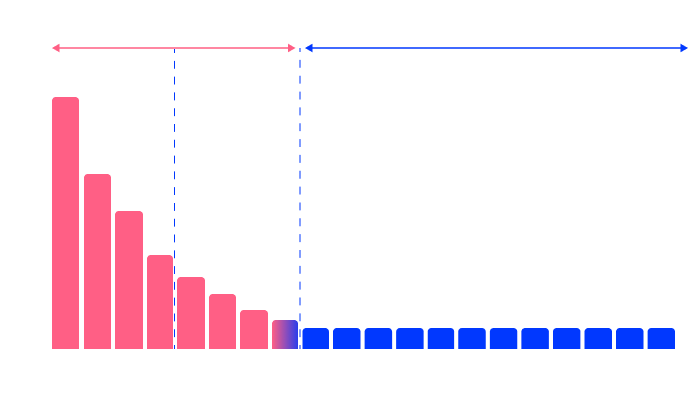
As AIO SEO develops alongside conventional search, CMAX’s view is that useful coverage and measurable performance matter more than labels. Over 90% of search and AI demand is in the long tail, and AI has made that spread wider.
Search and AI visibility comes from the coverage you have and the freshness you maintain.
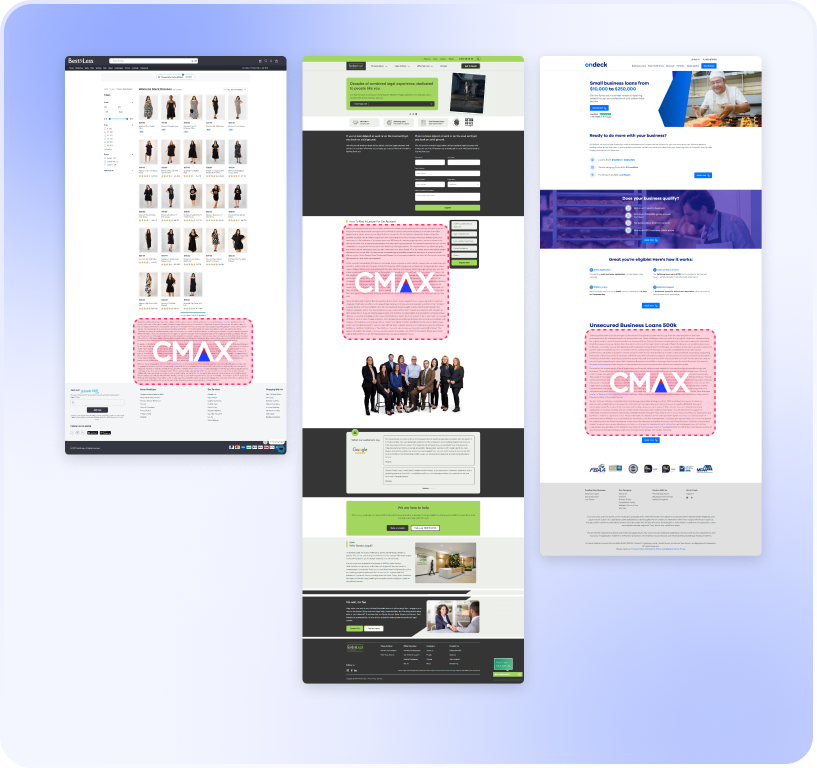
Unlike a conventional website optimisation agency, CMAX is the Agentic SEO Platform built around that reality. Our agents expand content on the pages that matter, update it from performance data and connect related pages so visibility compounds over time.
Before you change anything, it helps to see where your pages stand today. A short review gives you that picture.
If you’re curious as to how you’re performing on AI, book in a Missing Customer Map review with our Growth Team.
Author
Jeremy Tang
Founder and CEO of CMAX
Jeremy Tang is the Founder and CEO of CMAX. With over 2 decades of experience in business consulting and digital marketing, he has successfully driven seven startup businesses, six of which achieved $1 million in revenue from zero in less than 16 months, 5 of which grew to multi-million dollar a year ventures without any external funding. Jeremy's expertise lies in streamlining business processes through technology and leveraging digital (in particular SEO) for business growth. He resides in Australia, travels extensively, and draws inspiration from his global experiences.